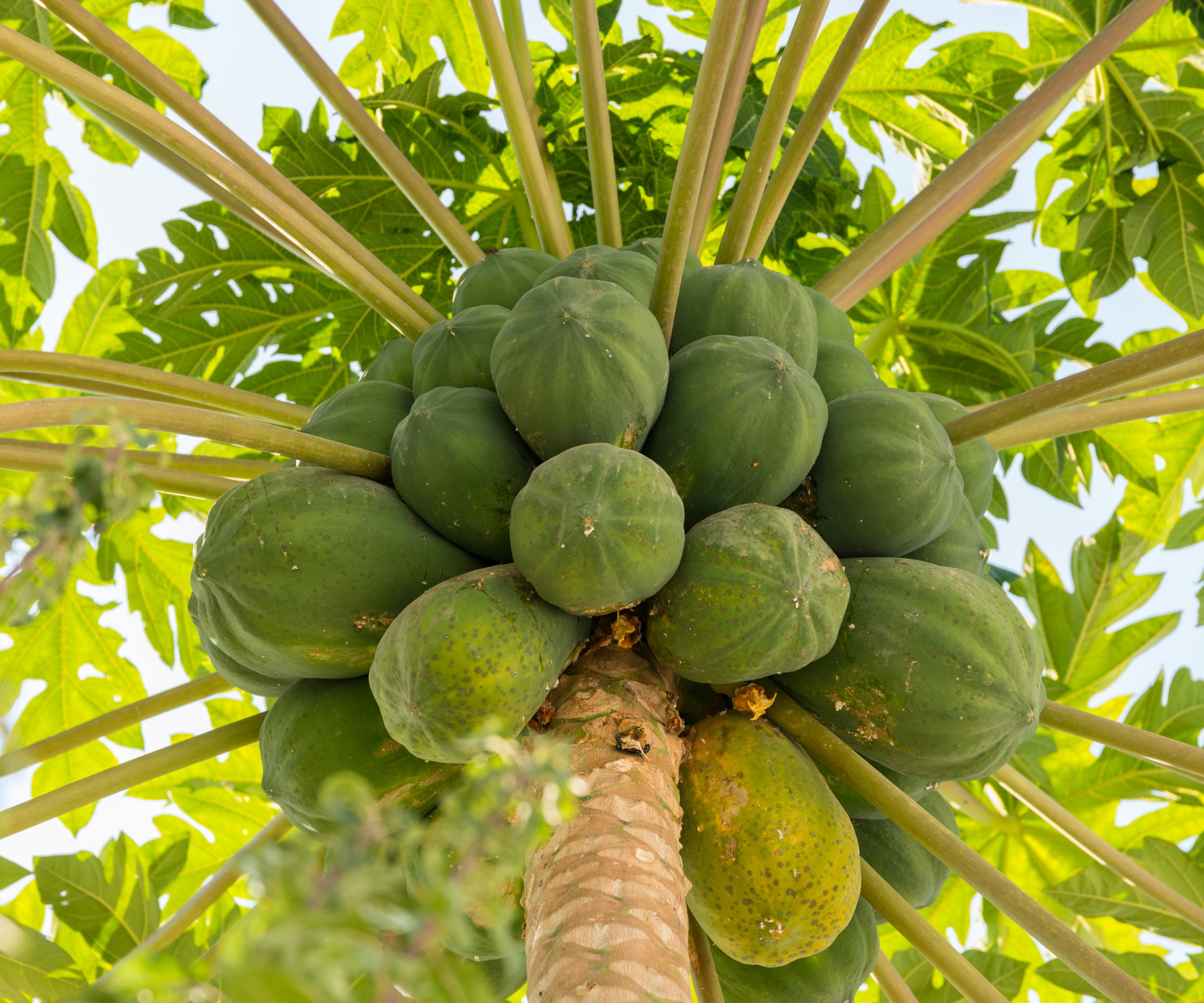
Papaya is one of the fastest-growing and most rewarding tropical fruit plants. Known for its sweet, vibrant orange flesh and rich nutritional value, papaya is widely cultivated in warm climates around the world. Unlike many fruit trees, papaya plants can begin producing fruit within a year of planting, making them an excellent choice for home gardeners seeking quick results. Although papaya has a tropical origin, it can be grown successfully with proper care, even in containers in suitable climates. This complete guide explains how to grow papaya successfully from seed to harvest.
Understanding Papaya Growth Requirements
Papaya is a tropical plant that thrives in warm temperatures between 22°C and 32°C. It is extremely sensitive to frost and cannot survive prolonged cold weather. In regions where temperatures drop below 5°C, papaya should be grown in large containers and protected during winter.
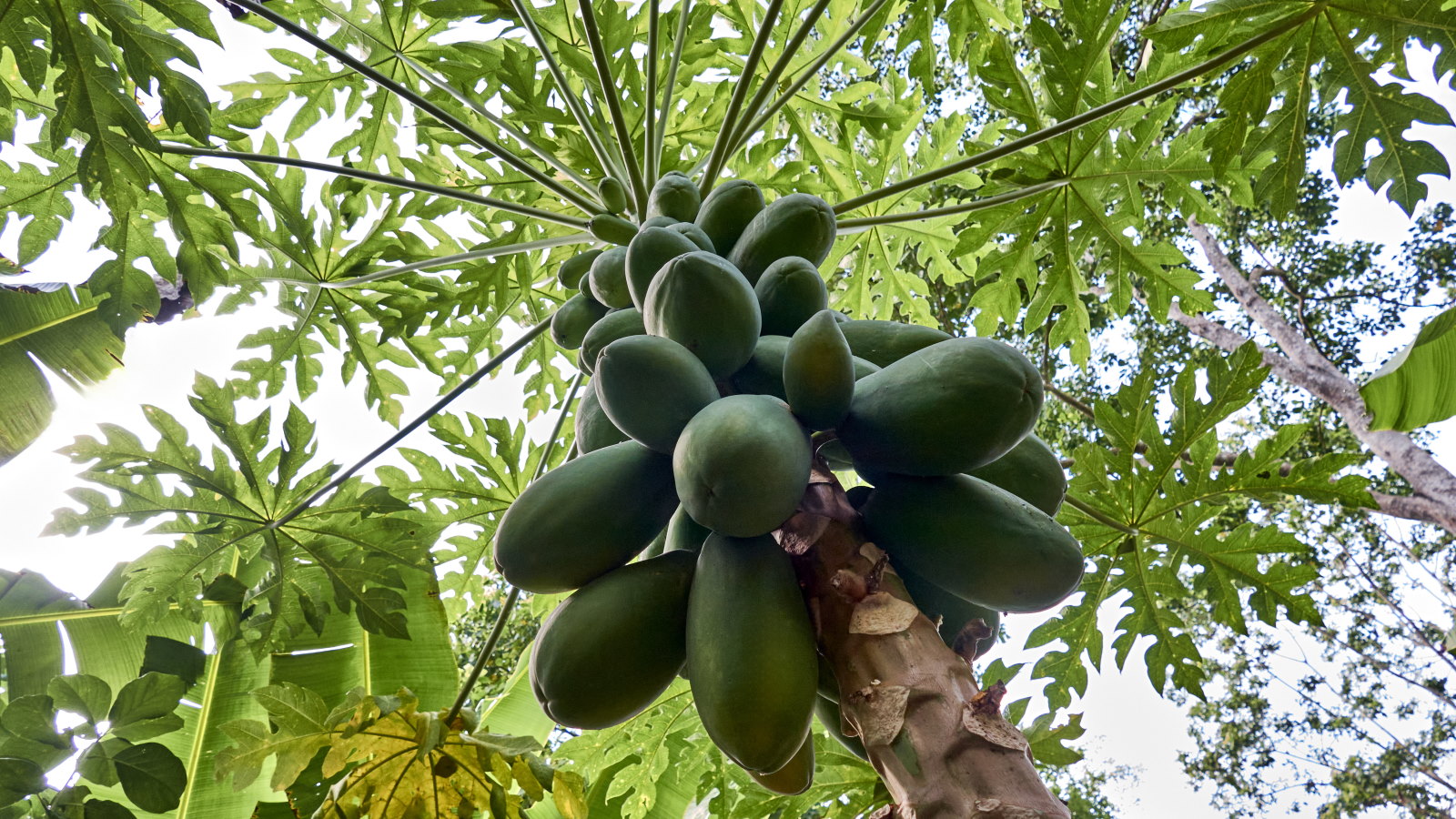
Papaya plants grow quickly and develop a tall, soft trunk topped with large, deeply lobed leaves. Because the trunk is not woody like most trees, it is more vulnerable to wind damage. Choosing a sheltered location is important.
Choosing the Right Papaya Variety
There are several papaya varieties available, including those with red or yellow flesh. Some varieties are smaller and more suitable for home gardens, while others grow taller and produce larger fruit.
Papaya plants can be male, female, or hermaphrodite. Only female and hermaphrodite plants produce fruit. Hermaphrodite varieties are often preferred because they can self-pollinate, increasing the likelihood of fruit production.
When purchasing seeds or seedlings, select high-quality sources to ensure healthy growth.

Selecting the Ideal Location
Papaya requires full sunlight for at least six to eight hours daily. Choose a warm, sunny spot protected from strong winds. Because papaya roots are shallow, wind can easily topple the plant.
The soil must drain well. Papaya roots are highly susceptible to waterlogging and root rot. Avoid planting in low-lying areas where water collects.
If growing in containers, select a large pot with multiple drainage holes.
Preparing the Soil
Papaya thrives in fertile, well-draining soil with a pH between 6.0 and 6.5. Sandy loam soil is ideal. Before planting, loosen the soil to a depth of at least 40 centimeters.
Mix compost or well-rotted manure into the soil to provide nutrients and improve structure. Avoid heavy clay soils unless amended with sand and organic matter to improve drainage.
Good drainage is more important than high fertility, as overly wet soil can quickly damage roots.
Planting Papaya
Papaya is commonly grown from seed. To plant:
-
Sow seeds about 1 to 2 centimeters deep in moist soil.
-
Keep soil consistently warm and slightly moist.
-
Germination usually occurs within 2 to 3 weeks.
Once seedlings reach 15 to 20 centimeters in height, thin them to select the strongest plants. If planting multiple papayas, space them at least 2 to 3 meters apart.
When transplanting, handle roots carefully to avoid disturbance.

Watering Requirements
Papaya requires regular watering but does not tolerate soggy soil. Water deeply when the top layer of soil feels dry. During hot weather, watering may be needed several times per week.
Reduce watering during cooler months when growth slows. Always ensure excess water drains freely from the soil.
Inconsistent watering can cause fruit to crack or drop prematurely.
Fertilizing for Rapid Growth
Papaya is a heavy feeder due to its rapid growth. Apply a balanced fertilizer every two to four weeks during the growing season.
Once flowering begins, use a fertilizer slightly higher in potassium to encourage fruit development. Organic compost and manure can also be applied around the base of the plant.
Avoid excessive nitrogen, as this can lead to leafy growth with reduced fruit production.
Flowering and Pollination
Papaya plants begin flowering within several months of planting. If you are growing from seed, you may need to identify plant gender once flowers appear.
Hermaphrodite flowers contain both male and female parts and can self-pollinate. Female plants require nearby male plants for pollination.
Bees and insects assist in natural pollination. In some cases, hand pollination can improve fruit set.
Supporting the Plant
Because papaya trunks are soft and shallow-rooted, support may be necessary in windy areas. Installing stakes can help stabilize young plants.
Removing excess fruit clusters may also prevent branches from bending or breaking.
Pest and Disease Management
Common pests include aphids, fruit flies, and mites. Regular inspection and use of organic insecticides such as neem oil can control infestations.
Fungal diseases often result from excessive moisture. Proper spacing, good drainage, and avoiding overhead watering reduce disease risk.
Remove fallen fruit and debris promptly to maintain plant health.
Harvesting Papaya
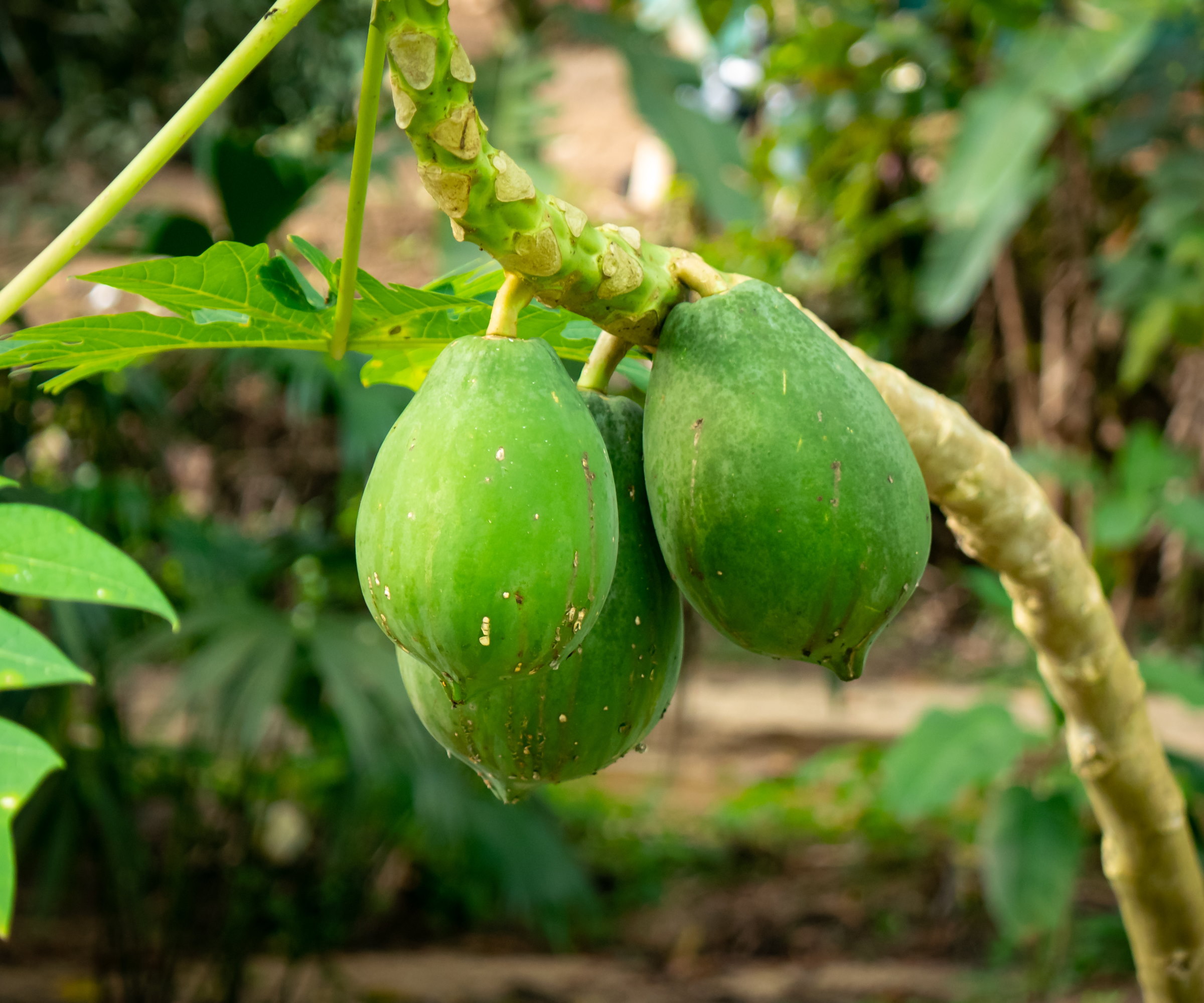
Papaya fruit is typically ready for harvest six to nine months after planting. Harvest when the skin begins to turn yellow and the fruit feels slightly soft.
Use a sharp knife to cut fruit from the stem carefully. Allow partially ripe fruit to finish ripening at room temperature.
Conclusion
Growing papaya successfully requires warmth, full sunlight, well-draining soil, and consistent fertilization. With proper care, papaya plants grow quickly and produce abundant, nutritious fruit within a relatively short time. Although sensitive to cold and waterlogging, they are otherwise low-maintenance and highly productive. By selecting the right variety and providing stable growing conditions, you can enjoy fresh, sweet papayas directly from your own garden.