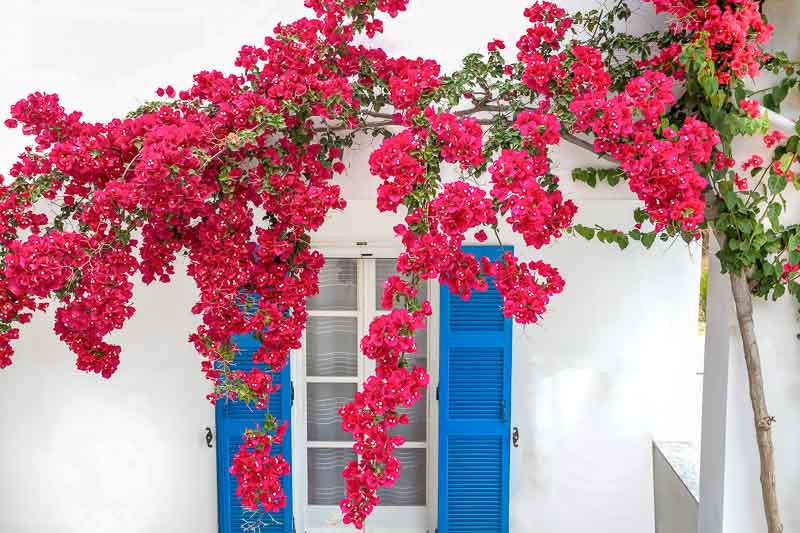
Bougainvillea is one of the most spectacular flowering plants for warm climates. Known for its brilliant, paper-like bracts in shades of purple, pink, red, orange, and white, bougainvillea creates stunning displays on walls, fences, pergolas, and garden landscapes. Although often mistaken for delicate tropical flowers, bougainvillea is actually a hardy and drought-tolerant plant once established. With the right growing conditions and proper care, it can bloom profusely for many months each year. This comprehensive guide explains how to grow bougainvillea successfully.
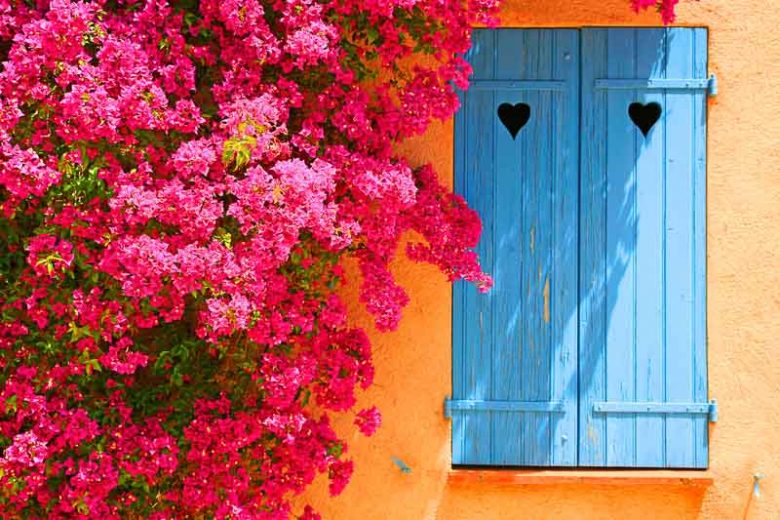
Understanding Bougainvillea’s Growth Habit
Bougainvillea is a fast-growing, woody vine or shrub that thrives in warm, sunny climates. It can climb when supported or spread as a shrub if left untrained. In tropical and subtropical regions, it blooms nearly year-round. In cooler climates, flowering is most abundant during warm seasons.
The colorful “flowers” are actually modified leaves called bracts. The true flowers are small and white, located at the center of the bracts.
Bougainvillea prefers hot, dry conditions and does not tolerate frost. In colder areas, it should be grown in containers and brought indoors during winter.
Choosing the Right Location
Sunlight is the most critical factor for abundant blooms. Bougainvillea requires at least six to eight hours of direct sunlight daily. Insufficient light leads to excessive leaf growth with few flowers.
Select a location with excellent drainage. Bougainvillea roots are sensitive to waterlogged soil, which can cause root rot.
If growing as a climber, provide sturdy support such as a trellis, fence, or wall. Ensure the planting area allows space for spreading branches.
Preparing the Soil
Bougainvillea thrives in well-draining soil with a slightly acidic to neutral pH between 5.5 and 6.5. Sandy or loamy soil is ideal.
Avoid overly rich soil. Excess fertility encourages leafy growth at the expense of flowers. Mix compost lightly into the soil, but do not over-amend.
For container planting, use a high-quality potting mix combined with sand or perlite to improve drainage. Ensure the pot has adequate drainage holes.
Planting Bougainvillea
To plant bougainvillea:
-
Dig a hole twice as wide as the root ball.
-
Place the plant carefully, avoiding root disturbance.
-
Backfill with soil and gently firm around the base.
-
Water lightly to settle the soil.
Bougainvillea roots are delicate, so avoid breaking the root ball during transplanting.
If planting multiple vines, space them at least 1.5 to 3 meters apart, depending on the variety.
Watering Requirements
Although bougainvillea is drought-tolerant once established, young plants require regular watering until roots develop.
Water deeply but infrequently. Allow the top layer of soil to dry out between watering sessions. Overwatering can reduce blooming and cause root issues.
During heavy blooming periods, slightly reduced watering can sometimes encourage more flowers, as mild stress promotes bloom production.
In winter, reduce watering frequency significantly.
Fertilizing for Better Blooms
Bougainvillea benefits from light, regular feeding during the growing season. Use a balanced fertilizer or one formulated for flowering plants.
Choose a fertilizer lower in nitrogen and higher in phosphorus and potassium to encourage blooming. Excess nitrogen produces lush foliage but fewer flowers.
Apply fertilizer every four to six weeks during active growth.
Pruning and Training
Pruning is essential for maintaining shape and promoting continuous flowering. Bougainvillea blooms on new growth, so regular trimming encourages fresh branches and more blooms.
Lightly prune after each flowering cycle to stimulate new growth. Remove dead, weak, or crossing branches.
When training as a climber, tie stems gently to supports. Wear gloves when handling the plant, as many varieties have thorns.
More substantial pruning can be done in late winter or early spring before the main growing season begins.
Managing Pests and Diseases
Bougainvillea is generally resistant to most pests. However, aphids, caterpillars, and scale insects may occasionally appear.
Use water spray or insecticidal soap to control minor infestations. Good air circulation reduces the risk of fungal diseases.
Avoid excessive moisture around roots to prevent root rot.
Growing Bougainvillea in Containers
Bougainvillea performs very well in containers and often blooms more profusely when slightly root-bound.
Choose a pot that is not excessively large, as too much soil can retain excess moisture. Ensure excellent drainage.
Container plants may require more frequent watering and fertilization than those grown in the ground.
Encouraging Continuous Blooming
To maximize flowering:
-
Provide full sunlight.
-
Avoid overwatering.
-
Use bloom-enhancing fertilizer.
-
Prune regularly to stimulate new growth.
-
Allow slight drying between watering sessions.
With proper care, bougainvillea can bloom multiple times throughout the year.
Conclusion
Growing bougainvillea successfully requires abundant sunlight, excellent drainage, moderate watering, and careful fertilization. This vibrant plant thrives in warm, dry conditions and rewards gardeners with spectacular color displays for months at a time. Whether trained as a climbing vine, shaped as a shrub, or grown in containers, bougainvillea adds dramatic beauty and tropical charm to any garden. With minimal maintenance and thoughtful care, you can enjoy a flourishing bougainvillea that transforms your outdoor space into a vibrant, eye-catching landscape.