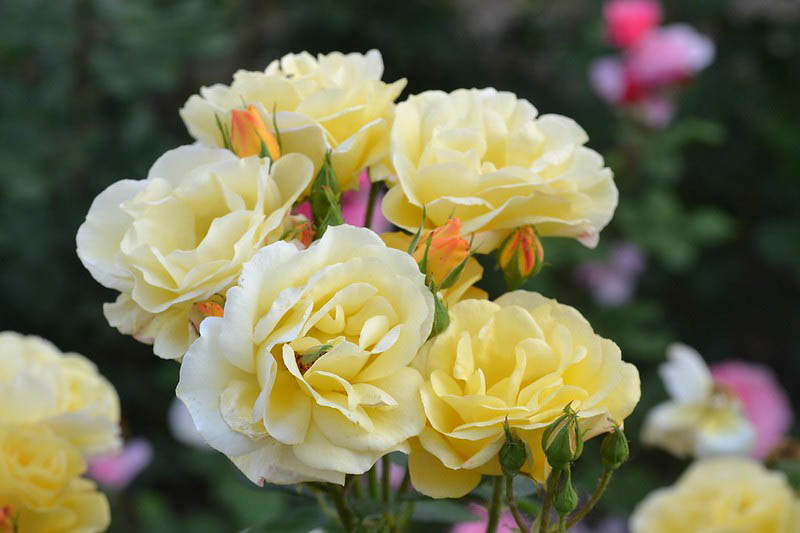
China rose, commonly known as hibiscus, is a stunning flowering plant admired for its large, colorful blossoms and glossy green foliage. Native to warm regions, this tropical shrub produces flowers in shades of red, pink, yellow, orange, and white. Because of its long blooming season and striking appearance, China rose is a popular choice for home gardens, hedges, and container planting. Although it looks exotic, this plant is relatively easy to grow when provided with the right care. This comprehensive guide explains how to grow China rose successfully in both outdoor and indoor environments.

Understanding China Rose Growing Conditions
China rose thrives in warm climates with temperatures between 20°C and 35°C. It is sensitive to frost and cold weather, so in cooler regions it should be grown in containers and moved indoors during winter.
This plant requires plenty of sunlight to produce abundant flowers. Without sufficient light, flowering will decrease and growth may become weak.
China rose can grow into a medium-sized shrub, typically reaching 1.5 to 3 meters in height if not pruned regularly.

Choosing the Right Location
Select a planting site that receives at least six to eight hours of direct sunlight daily. Morning sunlight is especially beneficial, while protection from harsh afternoon sun may help in extremely hot climates.
Good air circulation is important to reduce the risk of pests and fungal diseases. Avoid planting in crowded or heavily shaded areas.
If growing in containers, place the pot near a sunny window, balcony, or patio where the plant can receive consistent light.

Preparing the Soil
China rose prefers well-draining, fertile soil rich in organic matter. The ideal soil pH is slightly acidic to neutral, between 6.0 and 7.0.
Before planting, loosen the soil and mix in compost or well-rotted manure. This improves both drainage and nutrient content.
If planting in a container, use high-quality potting mix combined with a small amount of sand or perlite to enhance drainage. Ensure the pot has adequate drainage holes.

Planting China Rose
To plant China rose:
-
Dig a hole twice as wide as the root ball.
-
Place the plant at the same depth it was growing previously.
-
Backfill with soil and gently press around the base.
-
Water thoroughly to help roots settle.
If planting multiple shrubs, space them at least 90 to 120 centimeters apart to allow room for growth and airflow.
Watering Requirements
China rose requires consistent moisture, especially during the growing season. Water deeply when the top layer of soil feels dry. Avoid letting the soil dry out completely, as this may cause flower buds to drop.
However, do not allow the plant to sit in waterlogged soil, as this can lead to root rot. Proper drainage is essential.
During winter or cooler months, reduce watering frequency as plant growth slows.
Fertilizing for Abundant Blooms
Regular feeding is important for continuous flowering. Use a balanced fertilizer or one formulated specifically for flowering plants.
Apply fertilizer every two to four weeks during the active growing season (spring through early autumn). Choose a fertilizer that is lower in nitrogen and higher in phosphorus and potassium to promote blooming rather than excessive leaf growth.
Organic compost can also be applied periodically to maintain soil fertility.
Pruning and Shaping
Pruning helps maintain plant shape and encourages bushier growth. Light pruning can be done throughout the growing season to remove dead or damaged branches.
More significant pruning should be performed in early spring before new growth begins. Cut back leggy stems to encourage branching and increased flower production.
Regularly remove faded flowers to stimulate continuous blooming.
Managing Pests and Diseases
China rose may attract pests such as aphids, whiteflies, spider mites, and scale insects. Inspect the plant regularly, especially the undersides of leaves.
If pests are detected, rinse them off with water or apply insecticidal soap. Neem oil is also effective for organic pest control.
Fungal diseases can occur in humid conditions. Ensure good airflow and avoid overhead watering to reduce risk.
Growing China Rose Indoors
When grown indoors, provide bright light and maintain consistent temperatures. Avoid placing the plant near cold drafts or air conditioning vents.
Indoor plants may require slightly less water than outdoor plants, but soil should remain moderately moist.
Occasionally rotate the pot to ensure even growth on all sides.
Flowering and Maintenance Tips
China rose blooms on new growth, which means regular pruning encourages more flowers. If the plant stops blooming, check for insufficient sunlight, improper fertilization, or inconsistent watering.
Repot container-grown plants every two to three years to refresh soil and support continued growth.
Conclusion
Growing China rose successfully requires abundant sunlight, fertile well-draining soil, consistent watering, and regular feeding. With proper care, this tropical shrub can produce vibrant blooms for much of the year. Whether grown in garden beds, hedges, or decorative containers, China rose adds dramatic color and beauty to any space. By following these guidelines, you can cultivate a healthy, flowering plant that enhances your garden with continuous, eye-catching blossoms.