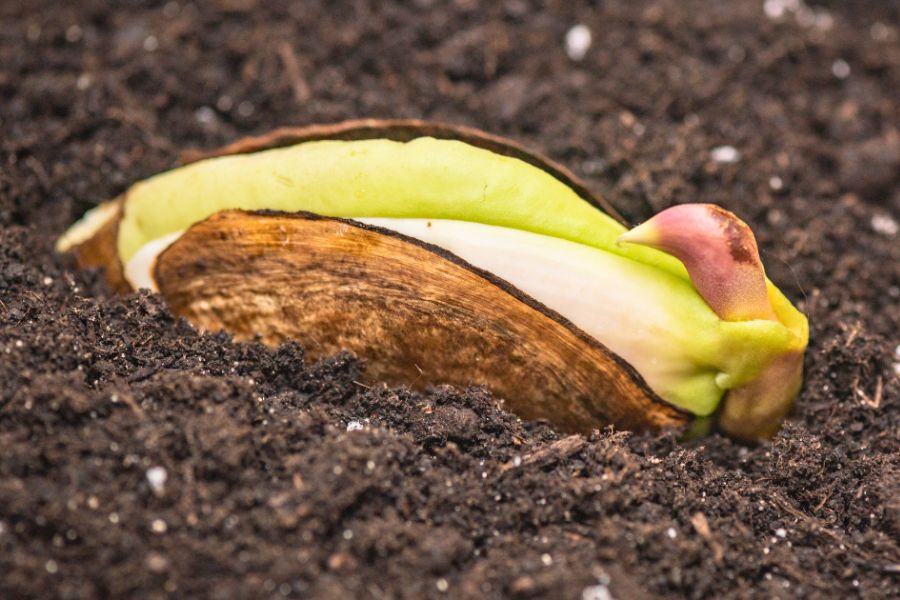
Mango is one of the most beloved tropical fruits in the world, prized for its sweet flavor, fragrant aroma, and vibrant golden flesh. Often called the “king of fruits,” mango trees can live for decades and produce abundant harvests when grown under suitable conditions. Although traditionally cultivated in tropical climates, mango can also be grown in subtropical regions and even in large containers with proper care. This comprehensive guide explains how to grow mango successfully, from planting to fruit harvest.
Understanding Mango Growing Conditions
Mango trees thrive in warm climates with temperatures between 24°C and 35°C. They require a distinct dry season to stimulate flowering and fruit development. Mature trees can tolerate brief periods of cooler weather, but young plants are sensitive to frost and prolonged cold exposure.
Mango trees can grow large, reaching heights of 10 to 30 meters depending on the variety and growing conditions. However, dwarf and semi-dwarf varieties are available for smaller gardens and container cultivation.
Sunlight is essential. Mango trees require full sun exposure for at least eight hours daily to ensure healthy growth and abundant fruiting.
Choosing the Right Mango Variety
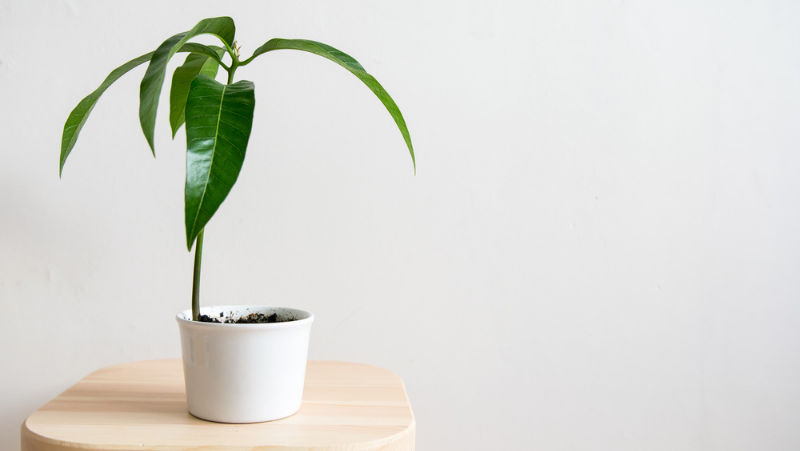
Selecting the right variety is critical for success. Some varieties are better suited to home gardens due to their compact growth habit and disease resistance. Dwarf varieties are ideal for container growing.
When possible, purchase grafted mango plants rather than growing from seed. Grafted trees typically begin fruiting within three to four years, whereas seed-grown trees may take five to eight years and may not produce fruit identical to the parent plant.
Selecting the Ideal Location
Choose a warm, sunny, and sheltered location. Mango trees do not tolerate waterlogged soil, so avoid low-lying areas where water accumulates.
Because mango trees develop a large canopy and extensive root system, allow at least 6 to 8 meters of spacing between trees if planting multiple specimens.
Protection from strong winds is important, especially during flowering and fruiting stages.
Preparing the Soil
Mango trees prefer well-draining sandy loam soil with a slightly acidic to neutral pH between 5.5 and 7.5. Good drainage is essential to prevent root rot.
Before planting, dig a hole twice as wide and slightly deeper than the root ball. Mix compost into the excavated soil to improve fertility and structure.
Avoid excessive organic matter that retains too much moisture.
Planting Mango
To plant a mango tree:
-
Carefully remove the plant from its container.
-
Place it in the prepared hole at the same depth it was previously growing.
-
Backfill with soil and gently firm around the roots.
-
Water thoroughly after planting.
Stake young trees if necessary to provide support during early growth.
Mulch around the base of the tree to conserve moisture, but keep mulch away from direct contact with the trunk.
Watering Requirements
Young mango trees require regular watering to establish strong roots. Water deeply once or twice per week, depending on weather conditions.
Once established, mango trees are relatively drought-tolerant. However, consistent watering during flowering and fruit development improves fruit quality and yield.
Avoid overwatering, as excess moisture can cause root diseases and reduce flowering.
During the dry season, moderate water stress may encourage flowering.
Fertilizing for Healthy Growth
Apply a balanced fertilizer during the first few years to promote strong vegetative growth. Fertilize three to four times per year during the growing season.
As the tree matures and begins fruiting, switch to a fertilizer higher in potassium to support fruit development.
Organic compost and well-rotted manure can be applied annually to enrich the soil.
Avoid excessive nitrogen, as it encourages leaf growth at the expense of flowers and fruit.
Pruning and Shaping
Pruning helps control tree size, improve airflow, and enhance fruit production. Light pruning can be done after harvest to remove dead or overcrowded branches.
Encourage a strong central framework during early growth by shaping the canopy. Removing crossing branches improves sunlight penetration and reduces disease risk.
Dwarf varieties benefit from regular size management, especially when grown in containers.
Flowering and Fruit Development
Mango trees typically flower during the dry season. Flower clusters attract bees and other pollinators that assist with fruit set.
After pollination, small fruits develop and gradually enlarge over several months. Some natural fruit drop is normal, allowing the tree to support remaining fruit properly.
Thin excessive fruit clusters if necessary to prevent branch breakage.
Pest and Disease Management
Common mango pests include fruit flies, aphids, and scale insects. Monitor regularly and use organic pest control methods when needed.
Fungal diseases such as anthracnose can affect flowers and fruit, especially in humid conditions. Proper pruning and good airflow reduce disease risk.
Remove fallen fruit and plant debris promptly.
Harvesting Mango
Mango fruit typically matures three to five months after flowering. Harvest when the fruit changes color slightly and emits a sweet fragrance.
Use pruning shears to cut fruit carefully, leaving a small stem attached to prevent sap burn.
Allow harvested fruit to ripen at room temperature before consumption.
Conclusion
Growing mango successfully requires warmth, full sunlight, well-draining soil, and moderate watering. With proper fertilization, pruning, and pest management, mango trees can provide decades of sweet, flavorful fruit. Whether grown in large gardens or containers, mango cultivation offers both ornamental beauty and delicious rewards. By following these guidelines, you can cultivate a healthy mango tree and enjoy homegrown tropical harvests for years to come.