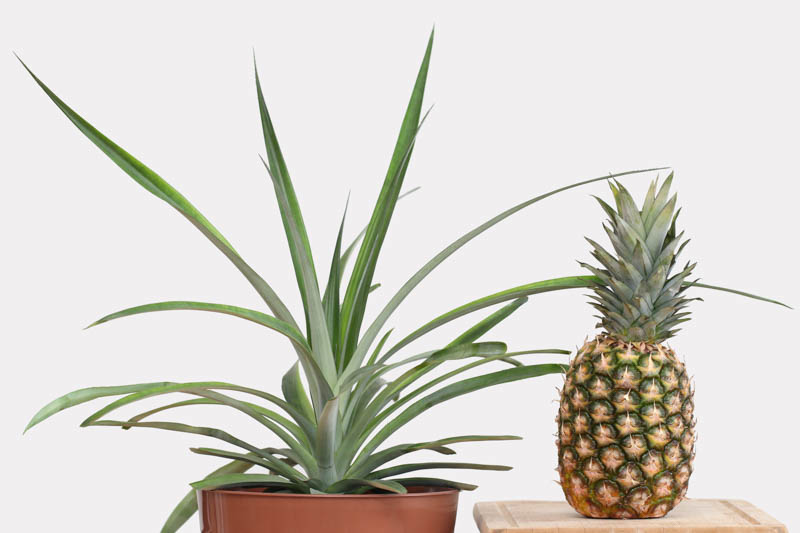
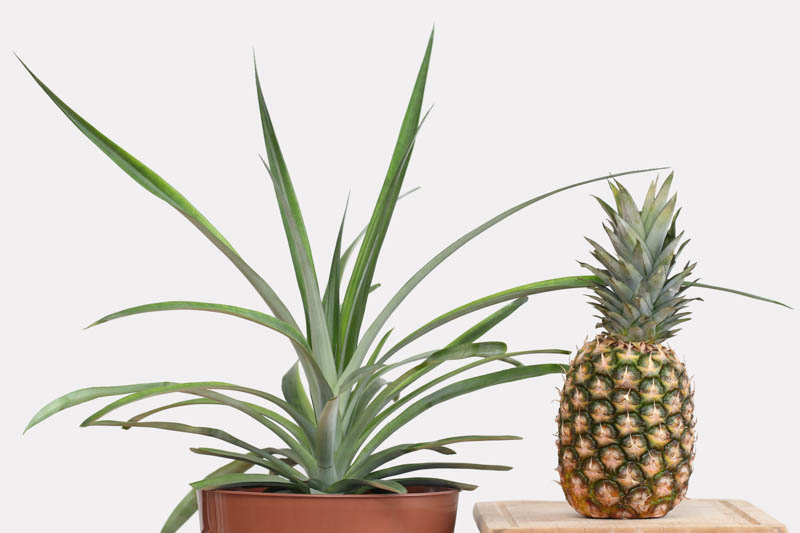
Pineapple is one of the most distinctive and rewarding tropical fruits you can grow at home. Known for its sweet-tart flavor, juicy golden flesh, and unique appearance, pineapple is surprisingly easy to cultivate. Unlike many fruit plants, pineapple does not grow on trees but from a compact rosette of spiky leaves close to the ground. With patience and proper care, you can grow a healthy pineapple plant that produces fruit within 18 to 24 months. This comprehensive guide explains how to grow pineapple successfully from planting to harvest.
Understanding Pineapple Growing Conditions
Pineapple thrives in warm climates with temperatures between 20°C and 32°C. It prefers tropical and subtropical environments but can also be grown indoors in cooler regions.
This plant requires full sunlight for optimal growth and fruit development. At least six to eight hours of direct sunlight daily is recommended. In areas with intense heat, slight afternoon shade can prevent leaf burn.
Pineapple is drought-tolerant once established but sensitive to frost. Temperatures below 10°C can slow growth significantly, and frost can damage or kill the plant.
Choosing the Right Planting Material
One of the most popular ways to grow pineapple is from the crown of a store-bought fruit. Select a healthy pineapple with fresh green leaves and no signs of rot.
To prepare the crown:
-
Twist or cut the leafy top from the fruit.
-
Remove excess fruit flesh from the base.
-
Peel away a few lower leaves to expose the stem.
-
Allow the crown to dry for one to two days before planting.
Alternatively, pineapple can be grown from suckers or slips, which typically produce fruit faster than crowns.
Selecting the Ideal Location
Choose a sunny, well-drained location. Pineapple roots are shallow and sensitive to excess moisture, so avoid areas where water collects.
If growing in containers, select a pot with good drainage holes. Pineapple grows well in medium-sized pots and is suitable for patios, balconies, or indoor spaces with strong light.
Proper air circulation helps prevent fungal diseases.
Preparing the Soil
Pineapple prefers light, well-draining soil with a slightly acidic pH between 4.5 and 6.5. Sandy or loamy soil is ideal.
Before planting, loosen the soil and mix in compost to improve fertility and structure. Avoid heavy clay soils unless amended with sand and organic matter.
Good drainage is essential to prevent root rot.
Planting Pineapple
To plant the prepared crown:
-
Dig a shallow hole just deep enough to hold the base.
-
Place the crown upright and firm the soil around it.
-
Water lightly to settle the soil.
If planting multiple pineapples, space them about 60 to 90 centimeters apart.
Roots will begin developing within a few weeks.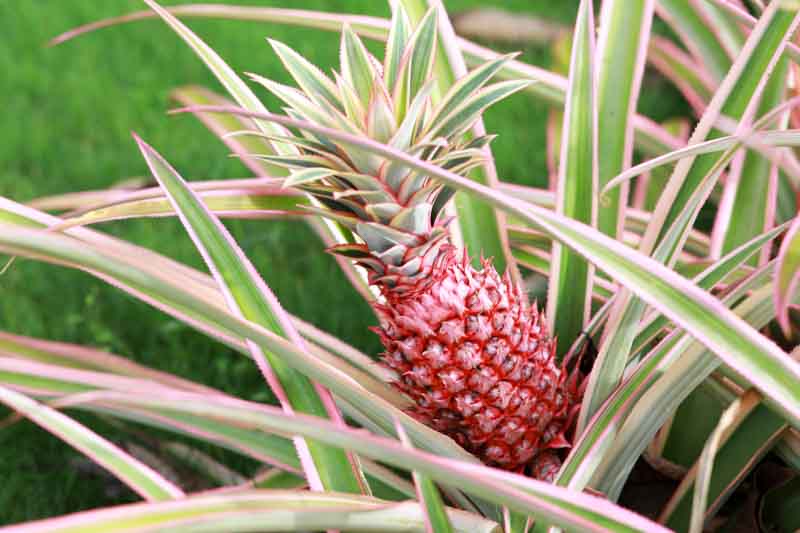
Watering Requirements
Pineapple plants require moderate watering. Water when the top layer of soil becomes dry, but avoid overwatering.
Because the plant stores moisture in its leaves, it can tolerate short dry periods. However, consistent moisture supports healthy growth.
Avoid letting water accumulate in the center of the plant for prolonged periods, as this may cause rot.
During cooler months, reduce watering frequency.
Fertilizing for Healthy Growth
Pineapple benefits from light but regular feeding. Apply a balanced fertilizer every six to eight weeks during the growing season.
Nitrogen supports leaf growth during the early stages, while potassium encourages strong fruit development later.
Organic compost or diluted liquid fertilizer can also be used to maintain soil nutrients.
Avoid excessive fertilization, as it may cause leafy growth without fruit production.
Flowering and Fruit Development
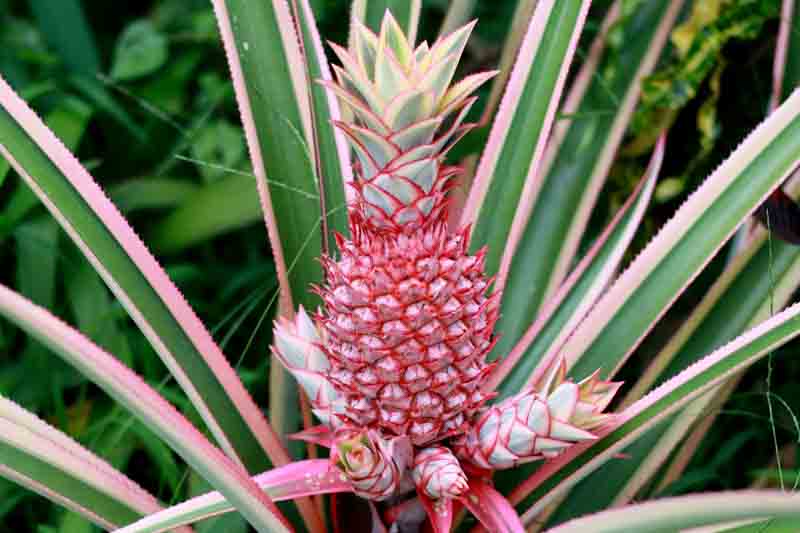
Pineapple typically flowers 12 to 18 months after planting, depending on growing conditions. A flower stalk emerges from the center of the plant, producing a cluster of purple or red flowers that gradually form the fruit.
After flowering, fruit development takes about five to six months. During this time, consistent watering and adequate sunlight are essential.
Only one fruit forms per plant, but after harvest, the plant may produce new suckers for future crops.
Pest and Disease Management
Pineapple is relatively resistant to pests but may occasionally attract mealybugs or scale insects. Inspect plants regularly and remove pests manually or treat with insecticidal soap if necessary.
Root rot is the most common problem and is usually caused by poor drainage or excessive watering.
Maintaining proper soil conditions and airflow significantly reduces disease risk.
Harvesting Pineapple
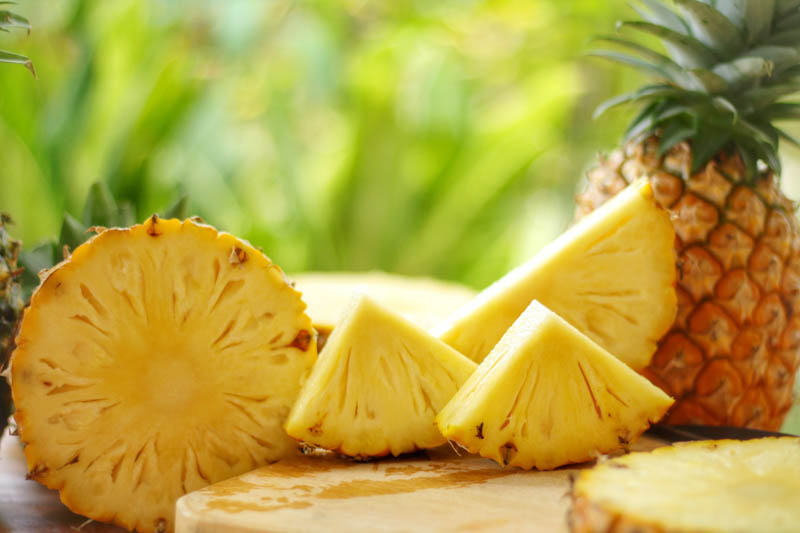
Pineapple is ready for harvest when the fruit turns golden yellow and emits a sweet fragrance. The fruit should feel firm but slightly soft when gently pressed.
Cut the fruit carefully with a sharp knife, leaving a short stem attached.
After harvesting, the main plant can be removed once new suckers are established.
Conclusion
Growing pineapple successfully requires warmth, full sunlight, well-draining soil, and moderate watering. Although it takes patience for the plant to produce fruit, the process is simple and rewarding. Pineapple’s compact growth habit makes it suitable for both garden beds and containers. By providing proper care and maintaining consistent growing conditions, you can enjoy fresh, homegrown pineapple that adds tropical flavor and satisfaction to your gardening experience.