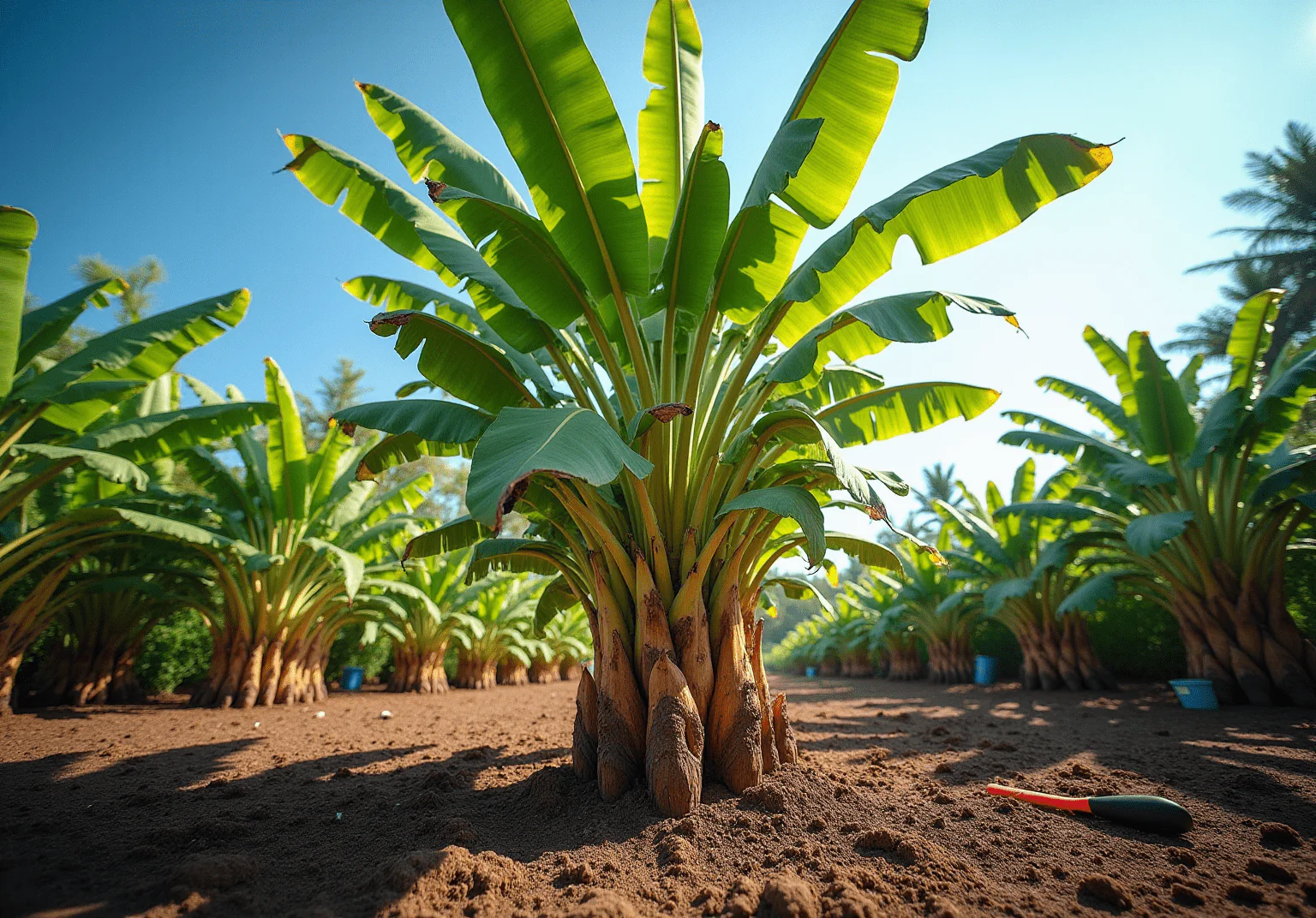
Banana is one of the most widely cultivated tropical fruit plants in the world. Known for its sweet flavor, soft texture, and high nutritional value, banana is both a staple food and a popular dessert fruit. Although often referred to as a tree, the banana plant is technically a large herb with a soft pseudostem formed by tightly packed leaf bases. With proper care and suitable growing conditions, banana plants grow rapidly and can produce fruit within 9 to 15 months. This comprehensive guide explains how to grow banana successfully from planting to harvest.

Understanding Banana Growing Conditions
Banana plants thrive in warm, humid climates with temperatures between 24°C and 35°C. They require consistent warmth and do not tolerate frost. Temperatures below 10°C can slow growth significantly, while frost can permanently damage the plant.
Bananas require high humidity and protection from strong winds. Because the leaves are large and tender, wind can tear them easily, reducing photosynthesis and fruit production.
Full sunlight is essential. Banana plants need at least six to eight hours of direct sunlight daily for healthy development and optimal fruiting.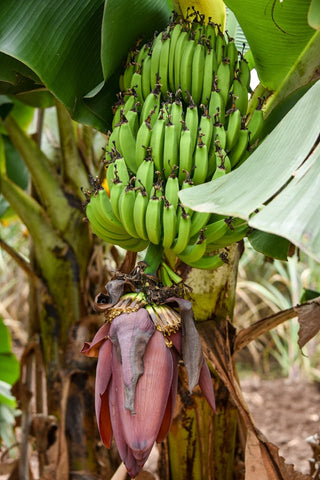
Choosing the Right Banana Variety
There are many banana varieties, including dessert bananas and cooking bananas such as plantains. For home gardens, dwarf varieties are often preferred because they are easier to manage and harvest.
When selecting planting material, choose healthy suckers (also called pups) from disease-free mother plants or purchase tissue-cultured plants from reputable nurseries. Tissue-cultured plants are uniform and often more resistant to disease.
Selecting the Ideal Location
Choose a sunny, sheltered area with good air circulation. Protection from strong winds is particularly important.
Banana plants require ample space. Space them approximately 2 to 3 meters apart to allow for proper growth and airflow.
Avoid low-lying areas where water may accumulate, as bananas are sensitive to waterlogged soil.
Preparing the Soil
Bananas prefer fertile, well-draining soil rich in organic matter. Sandy loam soil with a pH between 5.5 and 7.5 is ideal.
Before planting, dig a large hole approximately 50 to 60 centimeters wide and deep. Mix compost, well-rotted manure, and topsoil thoroughly before filling the hole.
Good drainage is crucial. If soil is heavy clay, improve drainage by adding sand and organic matter.
Planting Banana
To plant a banana sucker:
-
Trim damaged roots and remove excess outer leaves.
-
Place the sucker upright in the prepared hole.
-
Fill with soil and press firmly to eliminate air pockets.
-
Water thoroughly after planting.
If using tissue-cultured plants, handle roots gently and plant at the same depth as in the container.
Mulch around the base to conserve moisture and suppress weeds.
Watering Requirements
Banana plants require regular and abundant watering due to their large leaves and rapid growth. The soil should remain consistently moist but not waterlogged.
Water deeply two to three times per week in dry weather. During rainy seasons, reduce watering frequency while ensuring proper drainage.
Inadequate watering can lead to poor fruit development, while excessive water can cause root rot.
Fertilizing for Rapid Growth
Bananas are heavy feeders and require frequent fertilization. Apply a balanced fertilizer rich in nitrogen during the early growth stage to encourage strong leaf development.
As the plant approaches flowering, switch to a fertilizer higher in potassium to promote fruit formation and quality.
Organic compost, manure, and mulch can be applied regularly to maintain soil fertility. Fertilize every four to six weeks during active growth.
Managing Suckers
Banana plants produce multiple suckers around the base. For best results, maintain only one or two healthy suckers per plant to ensure strong fruit production.
Remove excess suckers by cutting them at ground level. This practice prevents competition for nutrients and promotes larger fruit clusters.
Flowering and Fruit Development
Banana plants typically flower within 8 to 12 months after planting. A large flower stalk emerges from the center of the pseudostem, producing rows of small flowers that develop into fruit hands.
After fruit set, it takes approximately 2 to 4 months for bananas to mature. Support heavy bunches with stakes if necessary to prevent the plant from bending or breaking.
Once fruiting is complete, the main pseudostem will not produce again and should be cut down to allow a sucker to replace it.
Pest and Disease Management
Common banana pests include aphids, weevils, and nematodes. Regular inspection and proper sanitation reduce infestation risks.
Fungal diseases such as leaf spot may occur in humid conditions. Good spacing, airflow, and removal of infected leaves help minimize problems.
Use disease-free planting material to prevent major infections.
Harvesting Banana
Bananas are typically harvested when the fruit is full-sized but still green. The fruit will ripen naturally after harvesting.
Cut the entire bunch carefully using a sharp knife, supporting its weight to prevent damage.
After harvest, remove the spent pseudostem and allow the next sucker to grow and continue the production cycle.
Conclusion
Growing banana successfully requires warmth, consistent moisture, rich soil, and regular fertilization. With proper management of suckers, adequate watering, and protection from wind, banana plants can produce abundant fruit within a relatively short time. Their rapid growth and tropical appearance also make them attractive landscape plants. By following these guidelines, you can cultivate healthy banana plants and enjoy fresh, homegrown fruit season after season.