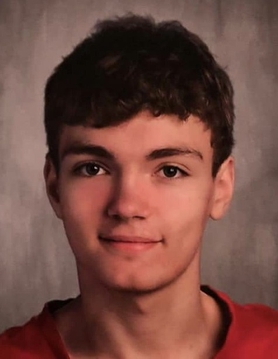
The death of 16-year-old Blake John Shearer in August 2018 remains one of the most disturbing and emotionally charged violent incidents in recent Pennsylvania history. What began as a minor dispute over loud music in a public park escalated into a brutal assault that ended a young life and left a community grappling with grief, anger, and unanswered questions about human behavior and bystander responsibility.
A Summer Evening Turns Deadly
On the evening of August 6, 2018, Blake Shearer was spending time with friends at Elizabethtown Borough Park in Pennsylvania. The group was reportedly playing music, a typical teenage activity in a public recreational space. However, the volume of the music became a point of conflict when it attracted the attention of 24-year-old David Mikeal Skalla, who approached the group.
According to case records, what should have been a simple request to lower the music quickly escalated into a confrontation. Skalla became angered after Shearer and his friends did not comply with his demands. In a sudden and violent reaction, he physically attacked the teenager.
Witness accounts describe a chaotic scene in which Skalla struck Shearer repeatedly. The assault was so severe that the teenager was rendered unconscious in the park. Shockingly, reports indicate that a large number of bystanders—estimated around twenty people—witnessed the attack but did not intervene effectively.
A Life Hanging by a Thread
After the beating, Blake Shearer was transported to a hospital in critical condition. Medical professionals discovered extensive injuries, including severe brain swelling and lung contusions, as well as other life-threatening trauma. Despite emergency treatment, his condition deteriorated rapidly.
Four days later, on August 10, 2018, Blake Shearer succumbed to his injuries. His death transformed what had initially been reported as an assault into a homicide investigation, sending shockwaves through Elizabethtown and beyond.
The sudden loss of a teenager under such violent circumstances drew widespread media attention and public outrage. Community members mourned a young life cut short, while also questioning how a seemingly ordinary disagreement could escalate so drastically.
The Arrest and Charges
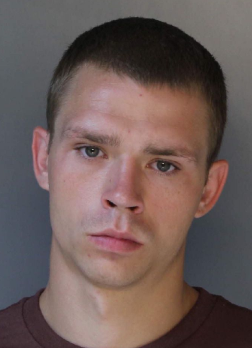
Authorities quickly identified and arrested David Mikeal Skalla, the man responsible for the attack. He was charged with aggravated assault and involuntary manslaughter, reflecting both the intentional violence and the resulting death.
Investigators also examined Skalla’s statements and actions following the incident. Reports indicate that he attempted to justify his behavior by claiming he had been provoked, though witness testimony contradicted aspects of his account.
The legal process revealed that Skalla had prior involvement with the criminal justice system, which further complicated public perception of the case. His history contributed to discussions about whether the tragedy could have been prevented if earlier interventions had occurred.
A Plea Deal and Sentencing Controversy
In June 2019, Skalla accepted a plea agreement. He pleaded guilty to involuntary manslaughter and aggravated assault, avoiding a full jury trial. In exchange, he received a sentence of 8 to 16 years in prison.
The sentencing sparked controversy and emotional responses from the victim’s family. Many felt that the punishment did not adequately reflect the severity of the crime. Blake Shearer’s relatives publicly expressed frustration, stating that justice had not been fully served.
This reaction highlighted a common tension in criminal cases involving plea bargains: while they can provide certainty and avoid lengthy trials, they are often perceived by victims’ families as insufficient compared to the magnitude of the loss.
The Bystander Question
One of the most haunting aspects of the case is the reported presence of multiple bystanders during the attack. According to accounts, around twenty people witnessed the beating, yet few intervened in a meaningful way.
This detail sparked widespread public debate about the bystander effect, a psychological phenomenon in which individuals are less likely to help a victim when other people are present. In this case, the failure to intervene raised difficult ethical questions: Could Blake Shearer have been saved if someone had acted sooner?
The incident became a grim reminder of how quickly violence can unfold in public spaces and how hesitation in moments of crisis can have irreversible consequences.
Community Impact and Public Reaction
Elizabethtown, a relatively quiet community, was deeply shaken by the tragedy. Residents organized vigils and memorials for Blake Shearer, remembering him as a teenager with his entire life ahead of him. Schools and local organizations also expressed condolences and support for the grieving family.
At the same time, the case generated broader discussions about youth safety, public accountability, and conflict de-escalation. Many community members called for increased awareness of how minor disputes can escalate into deadly encounters when anger is left unchecked.
The case also circulated widely in national media and true crime discussions, further amplifying its emotional impact and raising awareness of similar incidents across the United States.
Legal and Social Lessons
From a legal perspective, the Blake Shearer case illustrates how violent acts arising from spontaneous confrontations are prosecuted under manslaughter statutes rather than premeditated murder charges. The distinction often depends on intent, though the consequences can be equally devastating.
Socially, the case underscores the fragility of everyday interactions. A disagreement over loud music—an issue that might normally result in a verbal exchange or police call—became a fatal event due to uncontrolled aggression.
It also highlights the importance of community intervention and the role of bystanders in preventing escalation. While legal systems address accountability after the fact, prevention often depends on immediate human response in the moment.
Remembering Blake Shearer
Beyond legal proceedings and media coverage, Blake Shearer is remembered primarily as a teenager whose life ended far too soon. His death serves as a painful reminder of how quickly ordinary moments can turn tragic.
For his family, the loss remains irreversible. For the community, the case remains a symbol of both grief and reflection. And for broader society, it stands as a cautionary tale about violence, responsibility, and the consequences of inaction.
Conclusion
The case of Blake John Shearer is not only a criminal incident but also a deeply human story of loss and consequence. It reflects how everyday conflicts can spiral into tragedy, how legal outcomes may not satisfy emotional expectations of justice, and how bystander behavior can shape the outcome of life-and-death situations.
While the legal system concluded with a conviction and prison sentence, the emotional impact of Blake Shearer’s death continues to resonate—reminding us of the importance of restraint, empathy, and action in preventing future tragedies.