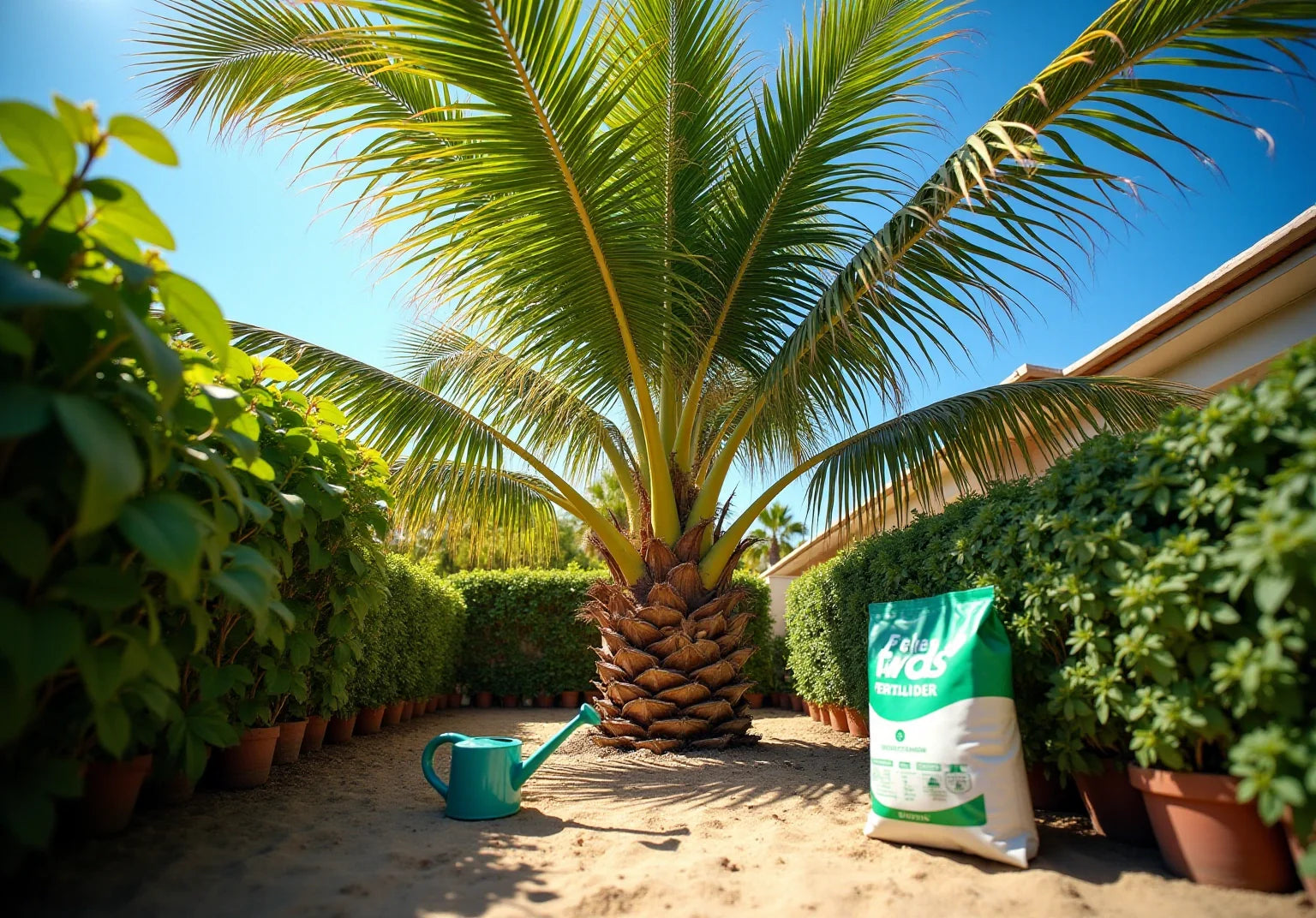
Coconut is one of the most iconic tropical plants in the world. Recognized for its tall, graceful trunk and large feathery fronds, the coconut palm provides nutritious fruit, refreshing coconut water, and versatile materials used in food, construction, and crafts. Although commonly associated with coastal tropical regions, coconut palms can be cultivated successfully in suitable warm climates with proper care. Growing coconut requires patience and the right environmental conditions, but the reward is a long-living palm capable of producing fruit for decades. This comprehensive guide explains how to grow coconut successfully from seed to harvest.
Understanding Coconut Growing Conditions
Coconut palms thrive in tropical climates with consistent temperatures between 25°C and 32°C. They require high humidity, abundant sunlight, and protection from frost. Temperatures below 15°C significantly slow growth, and frost can permanently damage the plant.
Coconut palms prefer coastal conditions but can grow inland if soil drainage is excellent and temperatures remain warm year-round.
Full sunlight is essential. Coconut palms require at least eight hours of direct sunlight daily to grow properly and produce fruit.
Choosing the Right Coconut Variety
There are two main types of coconut palms: tall varieties and dwarf varieties. Tall varieties grow higher and may take six to eight years to begin fruiting, but they often live longer. Dwarf varieties are shorter, begin fruiting earlier (sometimes within three to five years), and are easier to manage in home gardens.
Choose a mature, healthy coconut for planting. It should contain water inside and show no cracks or signs of rot.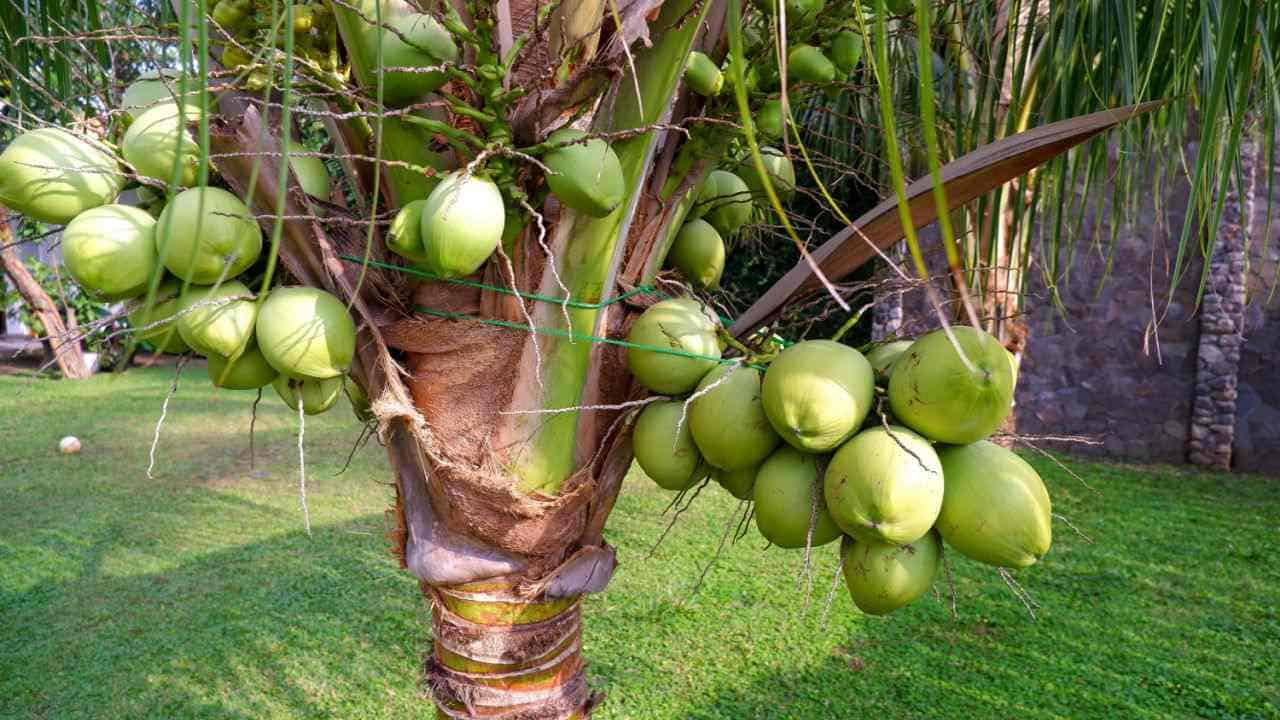
Selecting the Ideal Location
Select a spacious, sunny area with excellent drainage. Coconut palms develop deep root systems and require plenty of vertical and horizontal space.
Space trees at least 6 to 8 meters apart to allow full canopy development.
Avoid low-lying areas where water may accumulate. Although coconut palms tolerate sandy soils, they do not thrive in waterlogged conditions.
Preparing the Soil
Coconut palms prefer sandy, well-draining soil with a pH between 5.0 and 8.0. They are adaptable but perform best in loose soil that allows deep root penetration.
Before planting, loosen the soil to a depth of at least 60 centimeters. Mix compost or organic matter into the planting area to improve nutrient availability.
Good drainage is essential to prevent root rot.
Planting Coconut
To grow coconut from seed:
-
Soak the coconut in water for two to three days.
-
Lay it on its side in a shallow hole with part of the shell exposed above the soil surface.
-
Cover lightly with soil and water thoroughly.
Germination may take two to three months. During this period, keep the soil consistently moist but not waterlogged.
Once sprouted, allow the seedling to establish before transplanting if started in a nursery area.
Watering Requirements
Young coconut palms require regular watering during the first few years of growth. Water deeply once or twice per week depending on rainfall and temperature.
Established palms are more drought-tolerant but still benefit from consistent moisture, especially during flowering and fruit development.
Avoid excessive watering that may lead to root diseases.
Mulching around the base helps conserve moisture and suppress weeds.
Fertilizing for Strong Growth
Coconut palms benefit from regular fertilization, particularly during early growth stages. Apply a balanced fertilizer containing nitrogen, phosphorus, potassium, and essential micronutrients.
Fertilize three to four times per year. Potassium is especially important for fruit production.
Organic compost or well-rotted manure can be added annually to enrich soil naturally.
Monitor leaves for signs of nutrient deficiency, such as yellowing or weak growth.
Flowering and Fruit Development
Coconut palms begin flowering several years after planting, depending on the variety. Both male and female flowers appear on the same inflorescence.
Pollination occurs naturally through wind and insects. After pollination, coconuts take approximately 10 to 12 months to mature fully.
Each palm can produce multiple bunches of coconuts annually under favorable conditions.
Pest and Disease Management
Common coconut pests include beetles and caterpillars that damage leaves and developing fruit. Regular inspection helps detect problems early.
Fungal diseases may affect roots or leaves in poorly drained soils. Proper spacing, drainage, and sanitation reduce disease risk.
Remove fallen fronds and debris to maintain a clean growing environment.
Harvesting Coconut
Coconuts can be harvested at different stages depending on intended use. Young green coconuts are harvested for coconut water, typically six to seven months after flowering.
Mature brown coconuts are harvested after 10 to 12 months when the husk turns brown and the shell hardens.
Use proper tools and safety precautions when harvesting from tall palms.
Conclusion
Growing coconut successfully requires warm temperatures, full sunlight, well-draining soil, and consistent care. Although coconut palms take time to mature, they provide long-term rewards in the form of nutritious fruit and tropical beauty. By selecting the right variety, ensuring proper planting conditions, and maintaining regular watering and fertilization, you can cultivate a healthy coconut palm that produces fruit for many years. With patience and attention, coconut growing becomes a rewarding and sustainable addition to tropical and subtropical gardens.