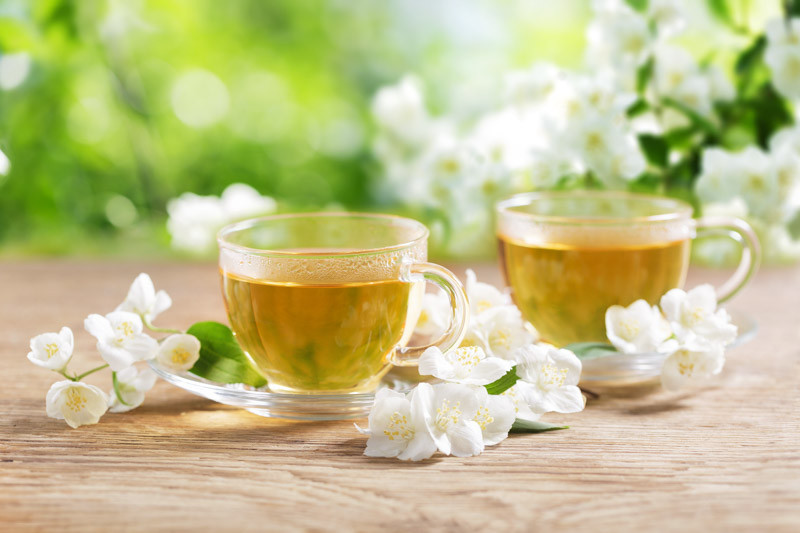
Arabian jasmine is a highly prized flowering plant known for its intensely fragrant white blossoms. Widely cultivated in tropical and subtropical regions, it is valued for ornamental beauty, perfume production, and tea flavoring. The plant produces delicate, star-shaped flowers that bloom repeatedly throughout warm seasons. Although it appears delicate, Arabian jasmine is relatively easy to grow when provided with sufficient warmth, sunlight, and proper care. This comprehensive guide explains how to grow Arabian jasmine successfully in gardens and containers.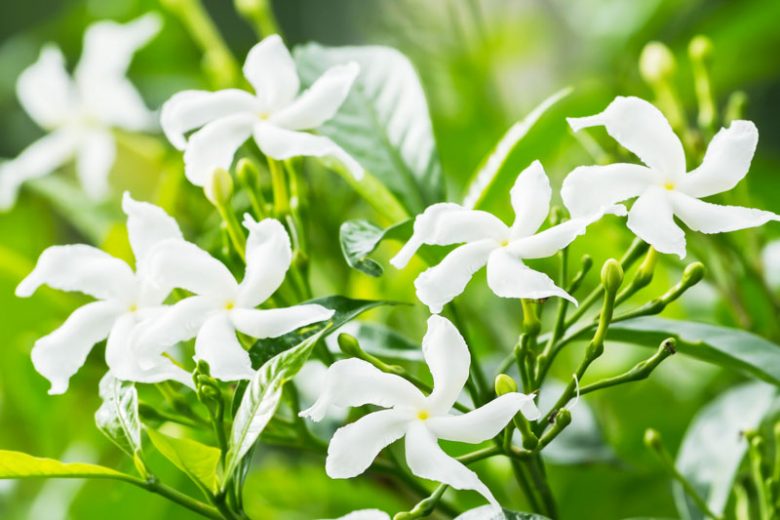
Understanding Arabian Jasmine Growing Conditions
Arabian jasmine thrives in warm climates with temperatures between 18°C and 35°C. It is sensitive to frost and cannot tolerate prolonged exposure to cold temperatures. In cooler climates, it is best grown in containers so it can be moved indoors during winter.
This plant typically grows as a small shrub or vine, reaching heights of 1 to 3 meters depending on pruning and support. It can be trained to climb on trellises or shaped into a compact bush.
Abundant sunlight is essential for regular blooming. Without adequate light, flowering may decrease significantly.
Choosing the Right Location
Select a planting location that receives at least six hours of direct sunlight daily. Morning sunlight is ideal, while some afternoon shade can protect the plant in extremely hot climates.
Ensure the location has good air circulation to prevent fungal diseases. Avoid areas with strong, cold winds.
If growing indoors, place the plant near a bright, sunny window or under supplemental grow lights.
Preparing the Soil
Arabian jasmine prefers well-draining, fertile soil rich in organic matter. The ideal soil pH ranges from 6.0 to 7.5.
Before planting, loosen the soil and mix in compost or well-rotted manure to improve fertility and drainage.
For container planting, use a high-quality potting mix combined with a small amount of sand or perlite to enhance drainage. Ensure the pot has adequate drainage holes to prevent water accumulation.
Planting Arabian Jasmine
To plant Arabian jasmine:
-
Dig a hole slightly larger than the root ball.
-
Place the plant at the same depth it was previously growing.
-
Backfill with soil and gently firm around the base.
-
Water thoroughly after planting.
If planting multiple shrubs, space them about 1 to 1.5 meters apart to allow proper growth and airflow.
Watering Requirements
Arabian jasmine prefers consistently moist soil but does not tolerate waterlogged conditions. Water deeply when the top layer of soil begins to dry out.
During hot weather, watering may be required several times per week. In cooler months, reduce watering frequency as plant growth slows.
Overwatering can lead to root rot, while underwatering may cause buds to drop prematurely.
Mulching around outdoor plants helps retain moisture and regulate soil temperature.
Fertilizing for Continuous Blooms
Regular feeding supports abundant flowering. Apply a balanced liquid fertilizer every two to four weeks during the active growing season.
Once flowering begins, a fertilizer slightly higher in phosphorus can promote better bloom production.
Avoid excessive nitrogen, as it may encourage leafy growth at the expense of flowers.
Organic compost applied periodically also enhances soil health.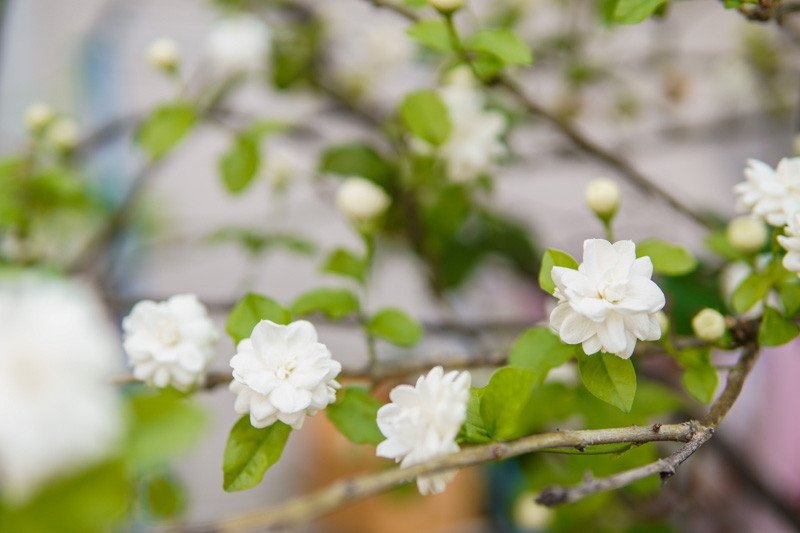
Pruning and Shaping
Pruning helps maintain shape and encourages bushier growth. Light pruning can be done throughout the growing season to remove dead or weak branches.
After a major flowering cycle, trim the plant slightly to stimulate new growth and future blooms.
If growing as a climbing vine, gently tie stems to a trellis or support structure. Remove faded flowers regularly to encourage continuous blooming.
Managing Pests and Diseases
Arabian jasmine may attract pests such as aphids, whiteflies, and spider mites. Inspect the plant regularly, especially the undersides of leaves.
Use water spray or insecticidal soap to control minor infestations. Neem oil can also be effective as an organic treatment.
Good air circulation and proper spacing help reduce fungal problems. Avoid overhead watering to minimize leaf moisture.
Growing Arabian Jasmine Indoors
When grown indoors, ensure bright light exposure and stable temperatures. Avoid placing the plant near cold drafts or air conditioning vents.
Indoor plants may require slightly more attention to humidity. Light misting or placing the pot on a humidity tray can help in dry environments.
Rotate the pot occasionally to encourage even growth.
Flowering and Fragrance
Arabian jasmine blooms primarily during warm months, often in multiple cycles. Flowers typically open in the evening and release a strong, sweet fragrance.
Regular pruning, adequate sunlight, and consistent fertilization are key factors in maintaining abundant blooms.
Repot container-grown plants every two to three years to refresh soil and promote healthy growth.
Conclusion
Growing Arabian jasmine successfully requires warm temperatures, abundant sunlight, well-draining soil, and consistent care. With proper watering, fertilization, and pruning, this fragrant plant can produce beautiful white blossoms throughout much of the year. Whether grown as a shrub, vine, or container plant, Arabian jasmine adds elegance and captivating fragrance to any garden or indoor space. By following these guidelines, you can cultivate a healthy plant that rewards you with continuous, aromatic blooms season after season.