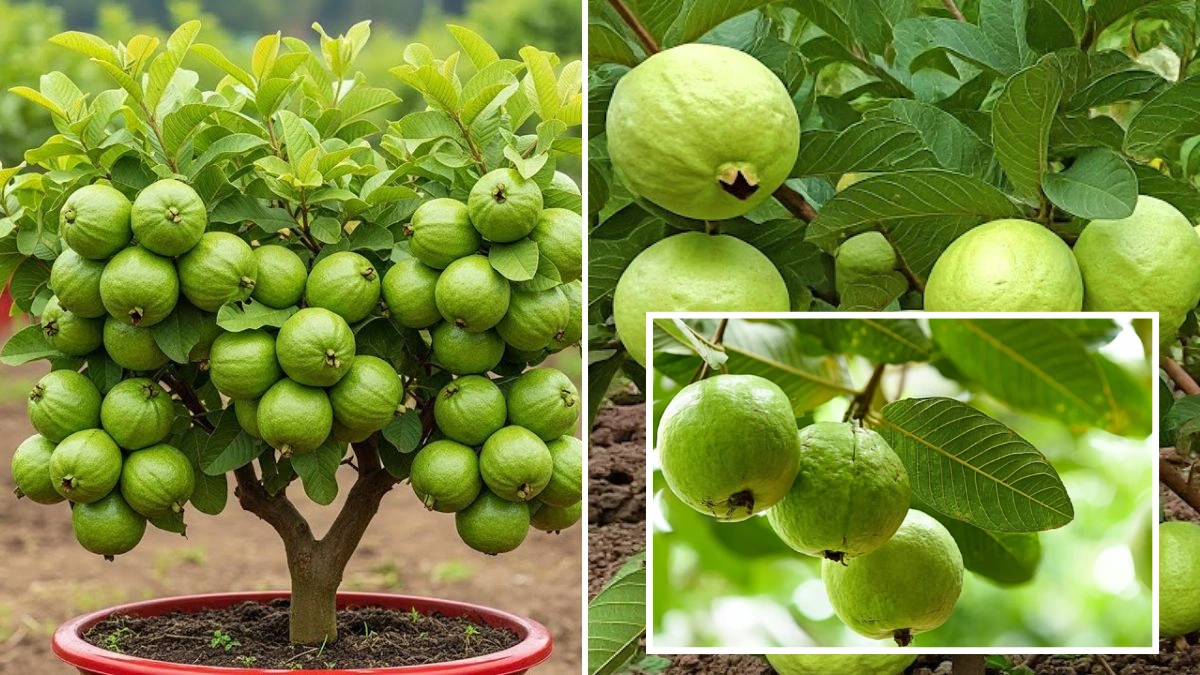
Guava is a highly nutritious tropical fruit known for its sweet aroma, juicy flesh, and high vitamin C content. It is widely grown in tropical and subtropical regions and is valued for both fresh consumption and processed products such as juices, jams, and desserts. Guava trees are relatively easy to cultivate, adaptable to different soil types, and capable of producing fruit within a few years of planting. With proper care and suitable growing conditions, guava can provide abundant harvests for many seasons. This comprehensive guide explains how to grow guava successfully from planting to fruiting.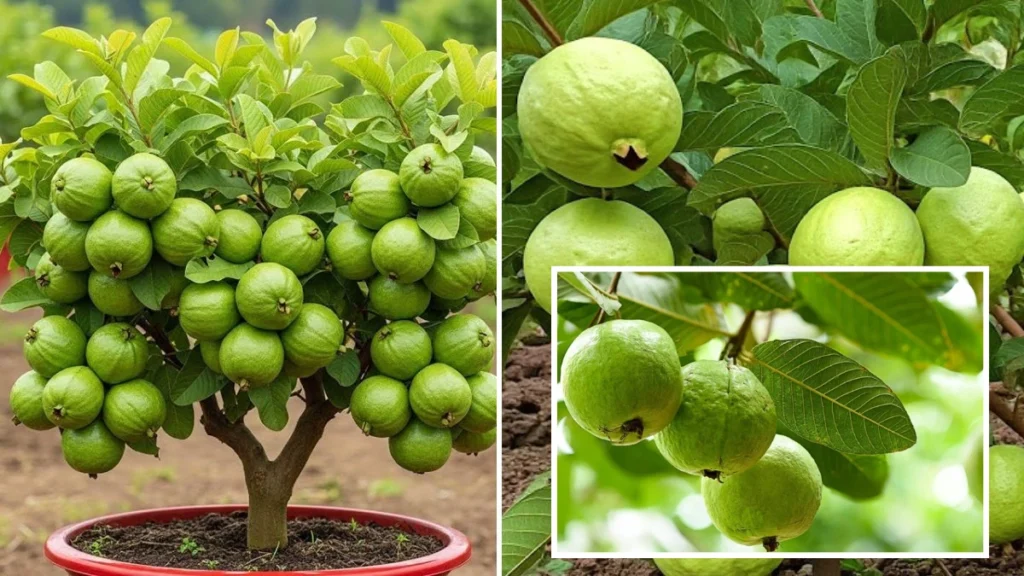
Understanding Guava Growing Conditions
Guava trees thrive in warm climates with temperatures between 20°C and 30°C. They can tolerate brief periods of cooler temperatures but are sensitive to frost, especially when young. Mature trees may withstand mild cold conditions better than seedlings.
Guava trees are medium-sized, typically reaching heights of 3 to 10 meters, depending on the variety and pruning practices. They have shallow root systems and respond well to careful watering and fertilization.
Full sunlight is essential for healthy growth and maximum fruit production. Guava trees require at least six to eight hours of direct sunlight daily.
Choosing the Right Guava Variety
There are several guava varieties available, including white-fleshed and pink-fleshed types. Some varieties produce larger fruit, while others are known for enhanced sweetness or disease resistance.
For home gardens, dwarf or semi-dwarf varieties are often preferred because they are easier to manage and harvest. When possible, select grafted plants rather than seed-grown ones, as grafted trees bear fruit earlier and maintain consistent fruit quality.
Selecting the Ideal Location
Choose a sunny and well-drained planting site. Guava does not tolerate waterlogged soil, so avoid low areas prone to standing water.
Provide sufficient spacing between trees, typically 4 to 6 meters apart, to allow for canopy development and proper airflow.
If growing in containers, select a large pot with adequate drainage holes and place it in a bright, sunny location.
Preparing the Soil
Guava trees are adaptable and can grow in various soil types, but they perform best in well-draining sandy loam soil with a pH between 5.5 and 7.0.
Before planting, dig a hole twice as wide as the root ball and mix compost or well-rotted manure into the soil. This enhances fertility and improves soil structure.
Avoid excessive organic matter that may retain too much moisture.
Planting Guava
To plant a guava tree:
-
Remove the plant carefully from its container.
-
Place it in the prepared hole at the same depth it was previously growing.
-
Backfill with soil and gently firm around the roots.
-
Water thoroughly after planting.
Mulch around the base of the tree to conserve moisture and suppress weeds, but keep mulch away from direct contact with the trunk.
Watering Requirements
Young guava trees require regular watering to establish strong roots. Water deeply once or twice per week, depending on weather conditions.
Once established, guava trees become moderately drought-tolerant. However, consistent watering during flowering and fruit development improves fruit size and quality.
Avoid overwatering, as excessive moisture may cause root rot or reduce fruit sweetness.
Fertilizing for Healthy Growth
Guava trees benefit from balanced fertilization throughout the growing season. Apply a balanced fertilizer three to four times per year.
Young trees require more nitrogen to support vegetative growth, while mature fruiting trees benefit from higher potassium levels to enhance fruit development.
Organic compost or manure can be applied annually to improve soil fertility naturally.
Avoid excessive nitrogen during flowering, as it may reduce fruit production.
Pruning and Shaping
Pruning is important for maintaining tree size, encouraging branching, and improving fruit yield. Guava fruits develop on new growth, so regular pruning stimulates productive shoots.
Light pruning can be done after each harvest to remove dead or overcrowded branches. Major shaping is best performed during the dormant or less active growth period.
Keeping the canopy open improves sunlight penetration and reduces the risk of fungal diseases.
Flowering and Fruit Development
Guava trees may flower one or two times per year, depending on climate conditions. Flowers are white and fragrant, attracting bees and other pollinators.
Fruit typically matures three to five months after flowering. Proper watering and nutrient management during this period are crucial for quality harvests.
Some fruit drop is natural as the tree regulates its crop load.
Pest and Disease Management
Common guava pests include fruit flies, aphids, and scale insects. Monitor regularly and use organic pest control methods such as neem oil or insecticidal soap when needed.
Fungal diseases can occur in humid conditions. Good spacing, proper pruning, and avoiding overhead watering help prevent infections.
Remove fallen fruit and plant debris promptly to maintain cleanliness.
Harvesting Guava
Guava fruit is ready for harvest when it changes color from green to yellowish-green and emits a sweet fragrance. The fruit should feel slightly soft when gently pressed.
Use pruning shears to cut fruit carefully to avoid damaging branches.
Fresh guava can be consumed immediately or stored in the refrigerator for several days.
Conclusion
Growing guava successfully requires warm temperatures, full sunlight, well-draining soil, and balanced fertilization. With proper pruning, watering, and pest management, guava trees can produce abundant, flavorful fruit for many years. Their adaptability and relatively low maintenance make them ideal for home gardeners seeking a productive tropical fruit tree. By following these guidelines, you can cultivate a healthy guava tree and enjoy fresh, nutritious harvests season after season.