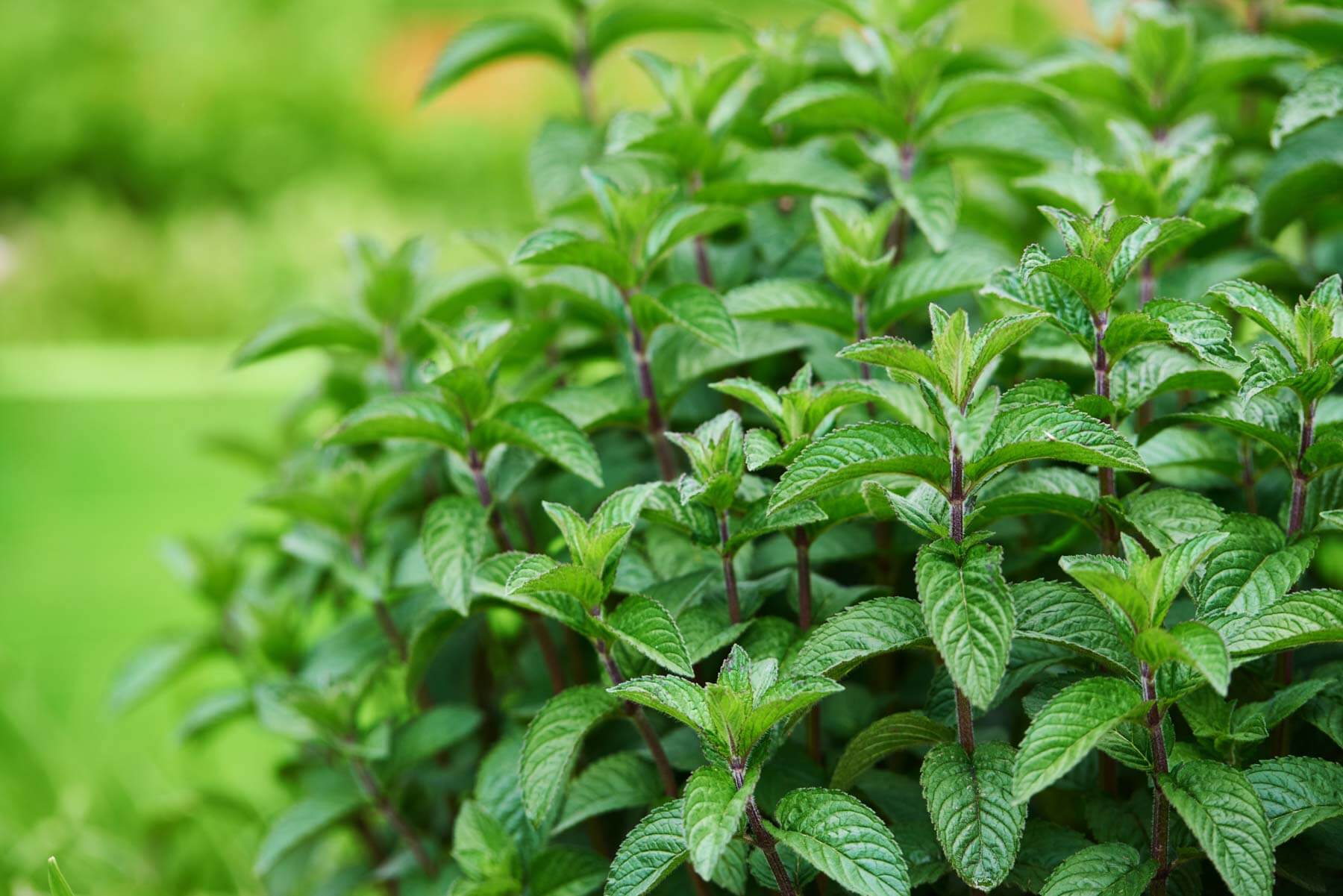
Mint is one of the easiest and most versatile herbs to grow at home. Known for its refreshing aroma and cooling flavor, mint is widely used in beverages, desserts, salads, sauces, and herbal teas. In addition to its culinary value, mint also has medicinal properties and can be used in natural remedies and skincare. Its vigorous growth habit makes it ideal for beginners, but it also requires proper management to prevent it from spreading uncontrollably. This comprehensive guide explains how to grow mint successfully in gardens and containers.
Understanding Mint’s Growth Characteristics
Mint is a hardy perennial herb that thrives in moderate temperatures between 15°C and 25°C. It grows rapidly and spreads through underground runners called rhizomes. While this growth habit allows mint to fill spaces quickly, it can also become invasive if not contained.
Because of its spreading nature, many gardeners prefer to grow mint in containers rather than directly in open garden beds. This makes management easier and prevents it from overtaking nearby plants.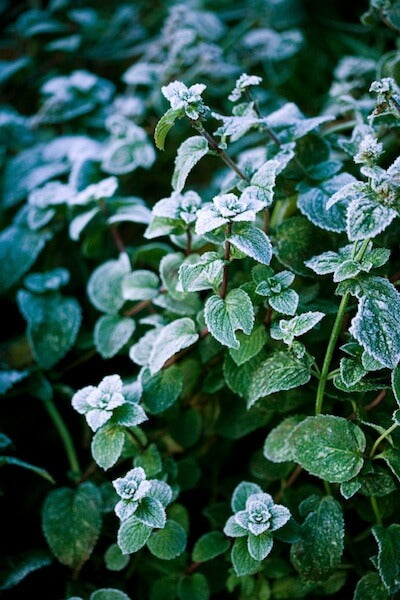
Choosing the Right Mint Variety
There are many mint varieties available, each offering a slightly different flavor and fragrance. Spearmint is commonly used in teas and cooking. Peppermint has a stronger, more intense flavor. Other varieties include chocolate mint, apple mint, and pineapple mint.
Choose a variety based on your culinary needs and personal preference. All types share similar growing requirements.
Selecting the Ideal Location
Mint grows best in partial sun to full sun. It requires at least four to six hours of sunlight daily. In very hot climates, afternoon shade can help prevent leaf scorch.
The plant prefers moist but well-draining soil. Good air circulation helps prevent fungal diseases, especially in humid environments.
If planting outdoors in garden beds, consider installing root barriers to limit spreading. Alternatively, plant mint in containers to control its growth.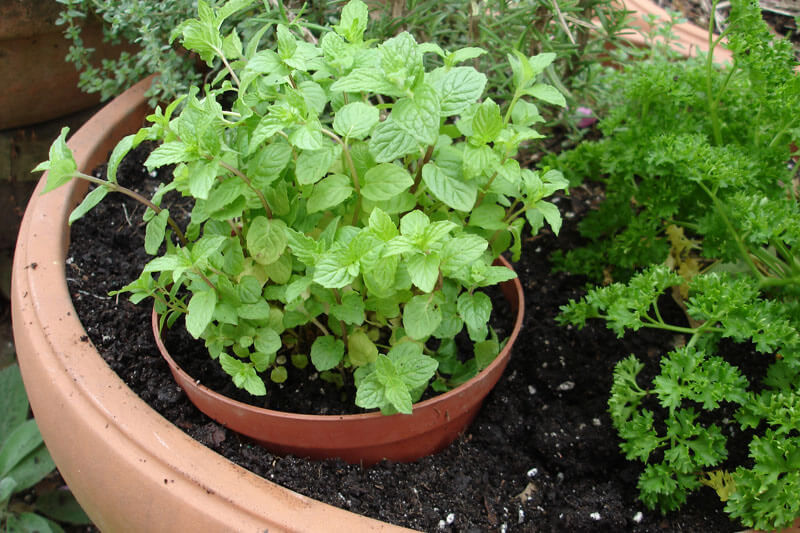
Preparing the Soil
Mint prefers rich, fertile soil with a pH between 6.0 and 7.0. Before planting, loosen the soil and mix in compost or well-rotted organic matter to improve structure and fertility.
The soil should retain moisture but drain well. Heavy clay soil should be amended with organic matter to improve aeration.
For container growing, use high-quality potting mix that provides balanced drainage and moisture retention.
Planting Mint
Mint can be grown from seeds, cuttings, or nursery plants. However, propagation through cuttings or purchased seedlings is more reliable and faster.
To plant:
-
Dig a hole slightly larger than the root ball.
-
Place the plant at the same depth it was growing previously.
-
Backfill with soil and press gently around the base.
-
Water thoroughly after planting.
Space plants about 30 to 45 centimeters apart if planting in the ground.
Watering Requirements
Mint requires consistent moisture for healthy growth. Water regularly, especially during dry periods. The soil should remain evenly moist but not waterlogged.
Underwatering can cause leaves to wilt and reduce flavor intensity. Overwatering may lead to root rot.
Mulching around outdoor plants helps retain soil moisture and suppress weeds.
Fertilizing Mint
Mint is not a heavy feeder but benefits from moderate fertilization. Apply compost or a balanced liquid fertilizer once every four to six weeks during the growing season.
Avoid excessive nitrogen fertilizer, as it can cause overly rapid growth with reduced flavor concentration.
In containers, occasional feeding is especially important because nutrients leach out more quickly.
Pruning and Maintenance
Regular pruning is essential for maintaining healthy mint plants. Frequent harvesting encourages bushier growth and prevents the plant from becoming leggy.
Pinch off the top leaves regularly to stimulate branching. Remove flower buds as they appear if you want to maintain strong leaf flavor. Once mint flowers, leaf flavor may decline.
Cut back the plant significantly at the end of the growing season to encourage fresh growth the following year.
Managing Pests and Diseases
Mint is generally resistant to many pests due to its strong aroma. However, it may occasionally attract aphids or spider mites. Wash pests off with water or use insecticidal soap if necessary.
Fungal diseases such as powdery mildew can develop in humid conditions. Ensure good spacing and airflow to minimize risk.
Remove damaged or diseased leaves promptly to prevent spread.
Growing Mint Indoors
Mint grows well indoors if provided with sufficient light. Place the plant near a sunny window that receives several hours of light daily.
Indoor plants may require more frequent watering because container soil dries out faster. Rotate the pot occasionally to ensure even growth.
Harvesting Mint
Mint can be harvested as soon as the plant becomes established. Cut stems just above a pair of leaves to encourage regrowth.
The best time to harvest mint is in the morning after dew has dried but before the heat of the day reduces essential oil concentration.
Fresh mint leaves can be used immediately or dried for later use.
Conclusion
Growing mint successfully is simple and highly rewarding. With adequate sunlight, moist but well-draining soil, and regular pruning, mint can produce abundant, fragrant leaves throughout the growing season. Whether grown in containers or garden beds, this versatile herb provides fresh flavor and numerous practical uses. By managing its vigorous growth and maintaining consistent care, you can enjoy a thriving mint plant that enhances both your garden and your kitchen.