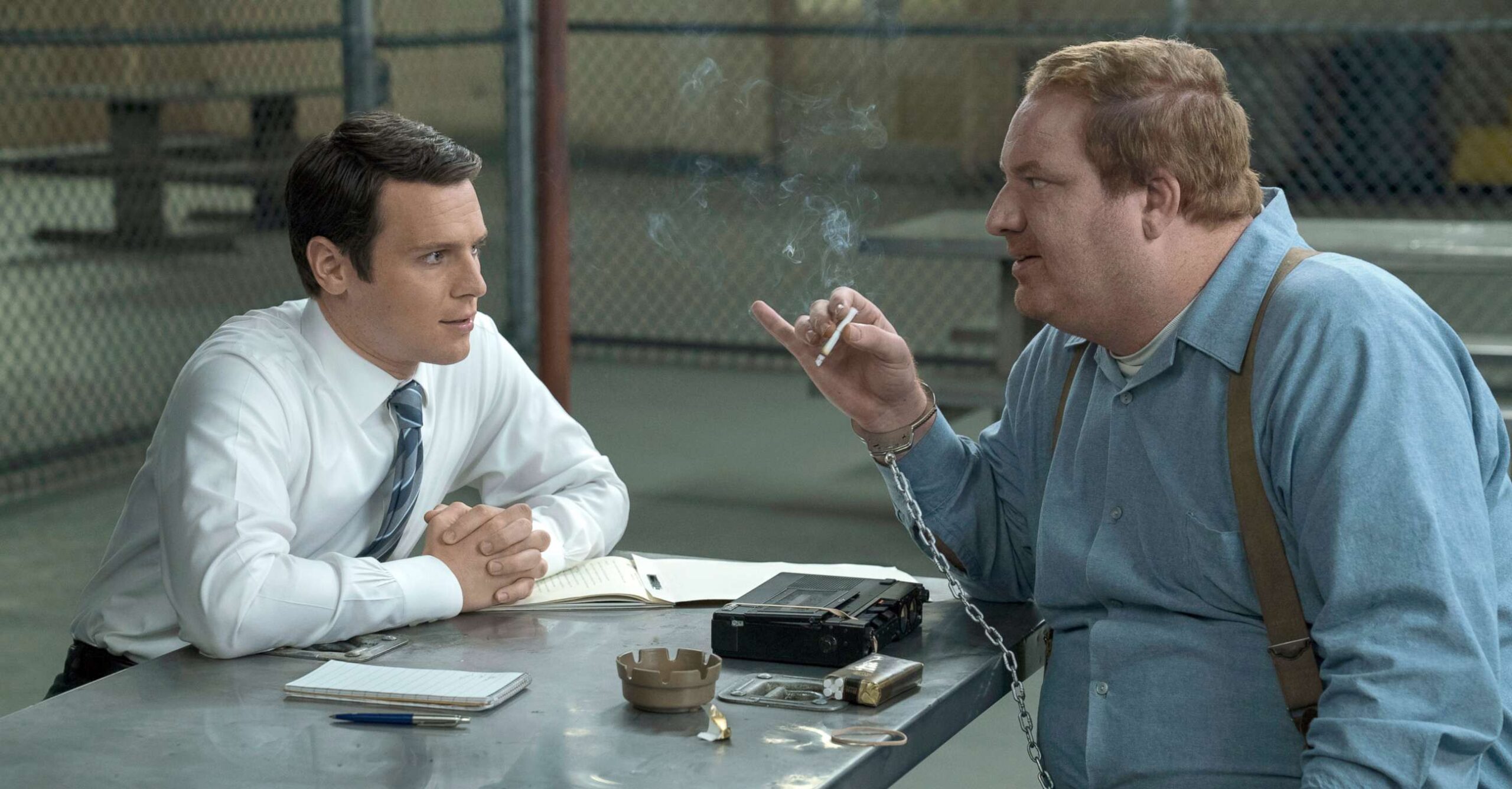
Few television series have managed to captivate audiences quite like Mindhunter. Rather than relying on explosive action scenes or nonstop violence, the acclaimed Netflix thriller builds its suspense through conversation, psychology, and the terrifying realization that some of history’s most notorious killers may be more ordinary than anyone imagined.
Years after its debut, the series continues to attract new viewers who discover why so many fans still describe it as one of the smartest crime dramas ever produced. What begins as a slow-burning investigation into criminal behavior gradually evolves into a gripping psychological journey that keeps audiences questioning every motive, every confession, and every unsettling silence.
For many viewers, Mindhunter isn’t simply another detective show—it’s an unforgettable exploration of the darkest corners of the human mind.
A Different Kind of Crime Drama
Most crime series follow a familiar formula: a murder is committed, detectives search for clues, and the culprit is eventually caught.
Mindhunter turns that formula upside down.
Instead of focusing primarily on solving individual crimes, the series explores why certain criminals commit horrific acts in the first place. The story follows FBI Special Agents Holden Ford and Bill Tench, who begin interviewing imprisoned serial killers in an effort to understand how they think.
At the time in which the series is set, the FBI has little formal understanding of what would eventually become criminal profiling. The idea that investigators could prevent future crimes by studying convicted murderers is considered unconventional, even controversial.
That groundbreaking premise immediately sets Mindhunter apart from countless other crime dramas.
Conversations More Terrifying Than Violence
One of the show’s greatest strengths is its restraint.
Rather than depending on graphic violence, Mindhunter creates tension through dialogue. The most unforgettable scenes often involve little more than two people sitting across from each other inside a prison interview room.
Yet those conversations become some of the most unsettling moments ever shown in a television crime drama.
Each interview forces viewers into the uncomfortable position of listening to convicted killers calmly explain their thoughts, motivations, and twisted logic.
The horror comes not from what audiences see—but from what they imagine.
That psychological approach creates an atmosphere unlike almost anything else available on Netflix.
Inspired by Real Criminal Investigations
Part of what makes Mindhunter so compelling is its foundation in real history.
The series draws inspiration from the early development of the FBI’s Behavioral Science Unit and the pioneering work that helped establish modern criminal profiling.
Many of the imprisoned murderers featured throughout the series are based on real individuals whose interviews significantly influenced criminal investigations in the United States.
While the show dramatizes events for storytelling purposes, it remains grounded in historical research, giving viewers the unsettling feeling that many of its conversations are rooted in reality.
That authenticity adds another layer of suspense.
Brilliant Performances Bring Every Scene to Life
The success of Mindhunter owes much to its exceptional cast.
Jonathan Groff delivers a compelling performance as Holden Ford, an ambitious young FBI agent fascinated by criminal psychology. His curiosity often drives him into increasingly dangerous emotional territory as he spends more time interviewing violent offenders.
Holt McCallany provides the perfect contrast as veteran investigator Bill Tench. Practical, experienced, and cautious, Tench often questions whether Ford’s unconventional methods are worth the personal and professional risks.
Anna Torv rounds out the central trio as psychologist Wendy Carr, whose academic expertise becomes crucial to the team’s evolving understanding of criminal behavior.
Together, the three characters create an engaging dynamic that balances intellectual curiosity with emotional consequences.
The Villains Leave an Unforgettable Impression
Although the main characters carry the story, many viewers remember Mindhunter for its chilling portrayals of notorious serial killers.
Without relying on exaggerated performances, the actors present deeply unsettling personalities that feel disturbingly believable.
Rather than depicting monsters hiding in the shadows, the series emphasizes something even more frightening—that evil can sometimes appear calm, articulate, and ordinary.
The interviews are carefully written to leave audiences constantly questioning whether they are witnessing manipulation, honesty, or something in between.
That uncertainty becomes one of the show’s defining qualities.
Every Episode Builds the Mystery
Unlike traditional procedural dramas that resolve a case every episode, Mindhunter embraces patience.
Small details introduced early often become important much later, rewarding viewers who pay close attention.
As the Behavioral Science Unit develops its profiling methods, audiences gradually begin recognizing patterns alongside the investigators.
This slow-burn storytelling encourages binge-watching because each episode raises new questions while providing just enough answers to keep viewers pressing “Next Episode.”
Many fans admit they originally planned to watch only one episode before unexpectedly spending an entire night immersed in the series.
David Fincher’s Signature Style
Executive producer David Fincher’s influence is visible throughout the series.
Known for acclaimed thrillers such as Se7en, Zodiac, and Gone Girl, Fincher brings his trademark attention to atmosphere, pacing, and visual precision.
Every scene feels carefully constructed to maximize tension without becoming sensationalized.
Muted colors, deliberate camera movements, and meticulously recreated 1970s settings immerse viewers in a world where uncertainty and psychological complexity dominate every investigation.
The result is a thriller that feels sophisticated rather than formulaic.
More Than a Story About Crime
Beneath its criminal investigations, Mindhunter explores broader questions about society, psychology, and morality.
Can violent behavior be understood?
Does understanding evil risk humanizing it?
How much emotional damage do investigators absorb while studying the darkest aspects of humanity?
These questions become increasingly important as the characters spend more time inside prison interview rooms.
The psychological cost of their work begins affecting their personal lives, relationships, and understanding of themselves.
That emotional depth transforms the series into something far richer than a typical crime procedural.
Why Fans Still Want More
Despite earning widespread critical acclaim and developing a passionate global fanbase, Mindhunter remains one of Netflix’s most discussed unfinished series.
Its two seasons concluded with numerous storylines still open, leaving viewers eager to see where the investigations might lead next.
The show’s carefully developed characters, unresolved cases, and fascinating psychological themes continue inspiring discussion years after its most recent episodes premiered.
Even today, countless viewers continue recommending the series to friends discovering it for the first time.
A Must-Watch for Thriller Fans
For audiences seeking nonstop action, Mindhunter may initially seem surprisingly quiet.
However, those willing to embrace its deliberate pacing quickly discover one of television’s most rewarding psychological experiences.
Instead of relying on jump scares or graphic violence, the series builds fear through ideas, conversations, and the disturbing realization that understanding evil is far more complicated than simply identifying it.
Every interview peels back another layer of the human psyche, every investigation reveals new ethical dilemmas, and every episode deepens the sense of unease.
By the time the credits roll, viewers are left questioning not only the minds of serial killers—but also the investigators determined to understand them.
That combination of intelligence, suspense, and unforgettable performances is exactly why Mindhunter continues to be regarded as one of Netflix’s finest psychological thrillers—and why so many viewers still find themselves unable to stop watching once they press play.