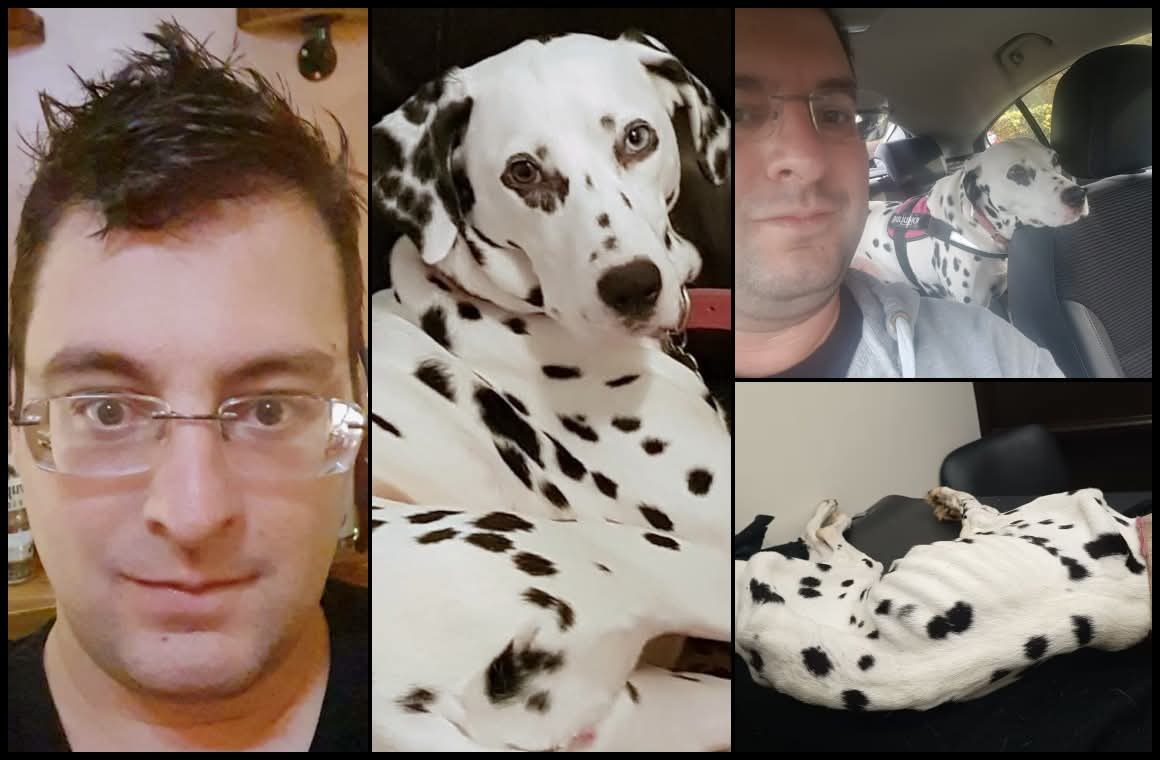
What was meant to be a final act of love for a beloved family pet instead revealed a disturbing story that has shocked animal lovers across Wales.
When 39-year-old Matthew Edward Perry brought the body of his 13-year-old Dalmatian, Pepper, to a veterinary practice in August 2025 for cremation, veterinary staff immediately noticed something deeply concerning. What they discovered during their examination of the elderly dog would ultimately lead to a criminal conviction, a lengthy ban on animal ownership, and renewed conversations about the responsibilities of pet ownership.
A Distressing Discovery
Pepper had reached the age of 13, an age at which many dogs require increased care, veterinary attention, and support to manage age-related health conditions. However, according to evidence later presented in court, the dog’s condition raised immediate alarm among veterinary professionals.
Veterinary staff reportedly observed that Pepper was severely underweight. Her ribs, spine, and hip bones were clearly visible, indicating extreme weight loss that experts described as highly concerning.
In an official veterinary statement submitted to Swansea Magistrates’ Court, Pepper was assigned a body condition score of just one out of nine. This scoring system is commonly used by veterinary professionals to assess an animal’s nutritional condition, with a score of one representing severe emaciation.
The veterinarian involved in the case reportedly described Pepper’s condition as alarming, suggesting that the elderly dog had experienced prolonged nutritional deficiencies prior to her death.
Signs of Prolonged Suffering
The veterinary examination revealed more than just severe weight loss.
According to court documents, Pepper had experienced significant muscle wastage, a condition that often develops when animals endure prolonged periods of inadequate nutrition or untreated illness. Such muscle deterioration can dramatically affect mobility, making routine activities increasingly difficult.
Experts involved in the case indicated that Pepper’s physical condition suggested she would likely have struggled to comfortably perform normal daily functions.
Perhaps even more concerning was the discovery of an untreated wound located on Pepper’s upper jaw.
Veterinary assessments suggested that the injury appeared consistent with a burst abscess, a painful condition resulting from infection. Medical professionals indicated that such a condition would likely have caused considerable discomfort and distress.
According to expert testimony presented during legal proceedings, Pepper may have endured these conditions for at least three weeks before her death.
For many animal advocates, this aspect of the case proved particularly heartbreaking.
A Lack of Veterinary Care
Records presented to the court reportedly revealed that Pepper had not received treatment at the veterinary practice since 2018.
While not every pet requires frequent veterinary visits, experts emphasize that aging animals often benefit from regular health assessments to identify emerging medical issues before they become severe.
Veterinary organizations consistently stress that pet owners have a responsibility to seek medical attention when animals exhibit signs of illness, injury, weight loss, or behavioral changes that may indicate suffering.
In Pepper’s case, the combination of severe emaciation, muscle loss, and untreated infection contributed to concerns that her welfare needs had not been adequately addressed.
Legal Proceedings
The case was eventually brought before Swansea Magistrates’ Court.
Matthew Edward Perry, from Pontardawe in South Wales, pleaded guilty to failing to meet the welfare needs of an animal under provisions of the Animal Welfare Act.
The legislation places a legal duty on animal owners to ensure that pets receive appropriate care, including:
- Access to suitable food and water
- Proper housing and living conditions
- Protection from pain, suffering, injury, and disease
- Necessary veterinary treatment when required
- Opportunities to express normal behavioral patterns
By pleading guilty, Perry acknowledged failing to fulfill these legal obligations toward Pepper.
Court Sentencing
Following the guilty plea, the court imposed several penalties.
Most significantly, Perry was banned from keeping animals for a period of ten years.
Animal disqualification orders are designed to prevent individuals convicted of welfare offences from owning or caring for animals during the specified period.
In addition, the court imposed a three-month prison sentence, suspended for 12 months. This means that the sentence will not be activated unless further offences or breaches occur during the suspension period.
Perry was also made subject to a one-year community order.
As part of that order, he must complete 15 days of rehabilitation activities aimed at addressing factors related to the offending behavior.
The court additionally ordered him to pay £400 in costs associated with the proceedings.
Community Reaction
Cases involving alleged neglect of companion animals frequently generate strong emotional reactions from the public.
Dogs, often regarded as loyal family members, occupy an important place within many households. Stories involving their suffering can provoke sadness, anger, and calls for stronger protections.
Animal welfare organizations routinely use such cases to raise awareness about responsible pet ownership and the importance of seeking veterinary care promptly when concerns arise.
Many advocates emphasize that neglect is not always intentional cruelty but can nevertheless result in serious suffering if animals’ needs are not properly recognized or addressed.
Understanding the Responsibilities of Pet Ownership
Experts note that caring for elderly pets often presents unique challenges.
As dogs age, they may develop chronic health conditions affecting appetite, mobility, dental health, and overall quality of life. Regular veterinary monitoring becomes increasingly important to identify issues early and provide appropriate interventions.
Warning signs that warrant veterinary attention may include:
- Sudden or progressive weight loss
- Visible ribs or bones
- Changes in eating or drinking habits
- Difficulty walking or standing
- Unusual wounds or swelling
- Behavioral changes suggesting pain or distress
Animal welfare professionals encourage pet owners facing financial hardship or caregiving challenges to seek assistance from veterinary practices, charities, or support organizations whenever possible.
Pepper’s Legacy
While Pepper’s story ended in tragedy, the case serves as an important reminder of the legal and moral responsibilities associated with caring for animals.
The relationship between humans and companion animals is built upon trust and dependence. Pets rely entirely upon their caregivers to provide safety, nourishment, medical care, and compassion throughout their lives.
Animal welfare laws exist to ensure that this responsibility is taken seriously.
For many people following the case, Pepper’s story is a painful reminder that vigilance and early intervention remain critical in preventing unnecessary suffering.
Though nothing can change the circumstances surrounding Pepper’s final weeks, advocates hope that increased awareness may encourage pet owners to seek help when needed and prioritize the wellbeing of the animals entrusted to their care.
In the end, Pepper’s final goodbye became something far more significant than a simple farewell. It became a case that highlighted the importance of compassion, responsibility, and the legal obligation to protect those who cannot speak for themselves.