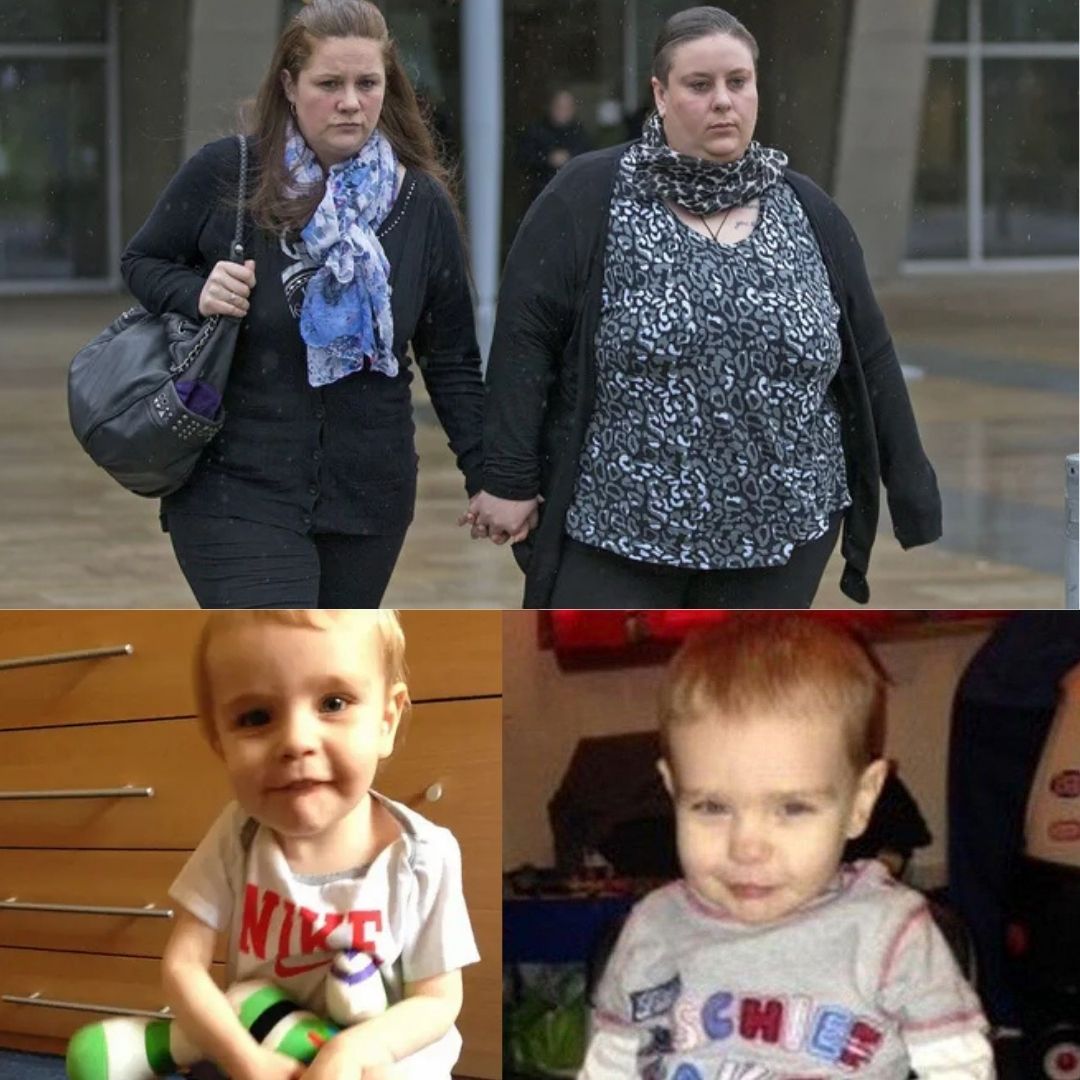
The death of two-year-old Liam Fee remains one of the most disturbing child abuse cases in Scotland’s recent history—a tragedy so devastating that it sparked nationwide outrage, prompted urgent discussions about child protection failures, and left an entire community struggling to comprehend how such cruelty could occur behind closed doors.
What authorities uncovered inside a home in Thornton, Fife, painted a horrifying picture of prolonged abuse and unimaginable suffering endured by a vulnerable child who depended entirely on the adults responsible for his care.
For many people who followed the case, one question continues to linger years later:
How could this happen to an innocent little boy without someone stepping in to save him?
A Child Described as Bright and Loving
Liam Fee was born in 2014 and, according to those who knew him, was a cheerful and affectionate child.
Friends and family members later described him as energetic and loving—a little boy who deserved safety, protection, and a future filled with happiness.
Instead, prosecutors alleged that Liam was subjected to repeated abuse inside his own home by the very people entrusted with his care.
The details that emerged during court proceedings would shock the nation.
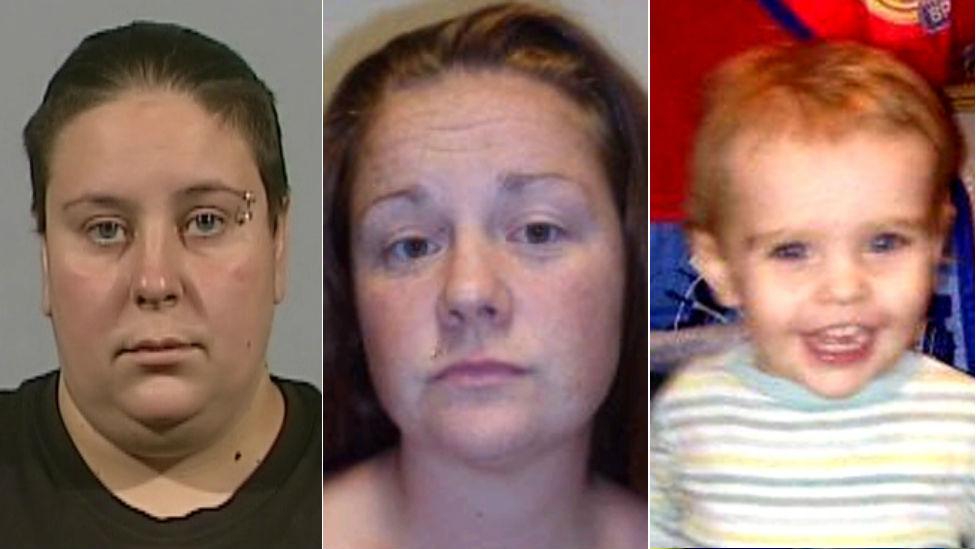
The Day Everything Changed
Emergency services were called to a property in Thornton, Fife, in March 2016 after Liam was found unresponsive.
Initially, explanations were offered regarding the circumstances surrounding his condition.
However, it quickly became apparent to medical professionals that Liam’s injuries were inconsistent with accidental causes.
What investigators discovered during subsequent examinations revealed the extent of suffering the toddler had allegedly endured.
Medical experts testified that Liam had sustained more than 30 separate injuries.
Some specialists reportedly compared the severity of the trauma to injuries typically seen in victims involved in serious road traffic collisions.
The findings sent shockwaves through Scotland.
A Pattern of Alleged Abuse
According to prosecutors, Liam had been subjected to a prolonged campaign of abuse before his death.
Court proceedings heard allegations that he endured repeated assaults over an extended period.
Investigators examining the case concluded that many of the injuries appeared to have been inflicted at different times, suggesting an ongoing pattern rather than an isolated incident.
The allegations painted a disturbing picture of a child allegedly suffering repeated harm without intervention.
As evidence emerged during the trial, public outrage intensified.
Many struggled to comprehend how a defenseless toddler could allegedly endure such treatment within his own home.
Witnesses Recall Disturbing Sounds
The case became even more troubling as witnesses described hearing distressing noises coming from the property.
Reports from the time indicated that neighbors recalled hearing crying, screaming, and other unsettling sounds that would later take on devastating significance in light of what investigators uncovered.
For members of the local community, the revelations were deeply traumatic.
Many expressed sorrow and regret, wondering whether additional warning signs had existed that might have prompted earlier intervention.
The tragedy sparked difficult conversations about community responsibility and the importance of reporting concerns involving vulnerable children.
The Investigation Intensifies
Police launched an extensive investigation into Liam’s death.
Forensic examinations, medical assessments, witness statements, and digital evidence became central components of the inquiry.
Authorities worked to establish a comprehensive understanding of Liam’s final months and the circumstances leading up to his death.
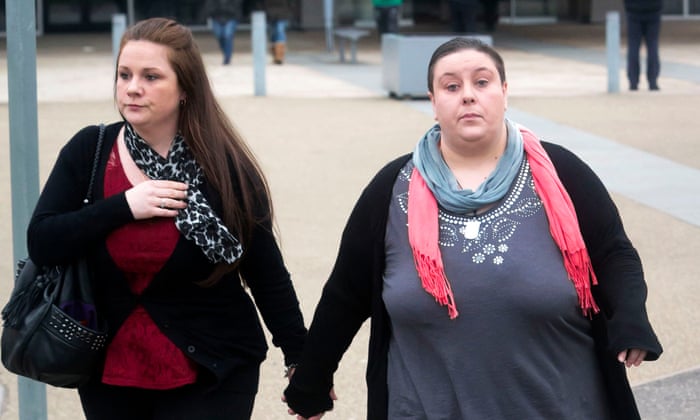
The investigation ultimately resulted in criminal charges against Liam’s mother, Rachel Fee, and Nyomi Fee.
The allegations against them generated enormous public attention due to the severity of the claims and the age of the victim.
As court proceedings unfolded, the details presented were often difficult for observers to hear.
National Outrage and Calls for Change
Liam’s death triggered widespread condemnation across Scotland.
Child welfare advocates, politicians, and members of the public called for renewed scrutiny of systems designed to protect vulnerable children.
Many questioned whether opportunities had been missed to identify warning signs earlier.
The case prompted discussions regarding:
- Information sharing between agencies
- Risk assessment procedures
- Child welfare monitoring
- Support mechanisms for vulnerable families
- Community awareness surrounding child protection concerns
While no reform could undo the tragedy that occurred, many hoped that lessons learned might help prevent similar cases in the future.
The Emotional Impact on Scotland
Few criminal cases leave such a profound emotional impact on an entire country.
The details surrounding Liam’s death resonated deeply with parents, caregivers, and child protection professionals alike.
Many people found themselves unable to understand how someone so young and defenseless could allegedly experience such suffering.
Tributes poured in from individuals expressing sorrow over the loss of a child who never had the opportunity to grow up.
Social media platforms became filled with messages demanding justice and advocating stronger protections for children.
For many, Liam became a heartbreaking symbol of why vigilance in safeguarding children is so important.
Protecting Vulnerable Children
Experts consistently emphasize that child protection is a shared responsibility.
Teachers, healthcare professionals, social workers, neighbors, relatives, and community members all play important roles in identifying and reporting concerns when a child’s welfare may be at risk.
Safeguarding professionals encourage individuals to trust their instincts if they believe a child may be experiencing abuse or neglect.
Reporting concerns does not automatically imply wrongdoing.
Rather, it ensures that appropriate agencies can assess whether support or intervention is necessary.
Cases like Liam’s serve as painful reminders of why these systems exist.
Remembering Liam
Beyond the headlines, legal proceedings, and public debates was a little boy whose life ended far too soon.
Liam was not merely a case number or a news story.
He was a child.
He had favorite toys, moments of joy, and the potential for a future that was never realized.
For those who followed the case, remembering Liam means recognizing the importance of protecting society’s most vulnerable members.
It means advocating for stronger safeguards.
It means encouraging communities to remain alert when concerns arise.
Most importantly, it means ensuring that children who cannot speak for themselves have adults willing to do so on their behalf.
A Legacy of Awareness
Although nothing can erase the tragedy surrounding Liam Fee’s death, many hope that increased awareness surrounding child protection may serve as part of his legacy.
The case continues to be referenced during discussions about safeguarding reform and early intervention strategies.
Each conversation represents an effort to ensure that vulnerable children receive the protection, support, and advocacy they deserve.
For Scotland, Liam’s story remains one of heartbreak.
But it is also a reminder of society’s collective responsibility.
Because every child deserves to grow up safe.
Every child deserves to be heard.
And every child deserves the chance to live a life free from fear and harm.
The tragedy of Liam Fee serves as a solemn reminder of what can happen when those protections fail—and why the commitment to safeguarding children must never weaken.