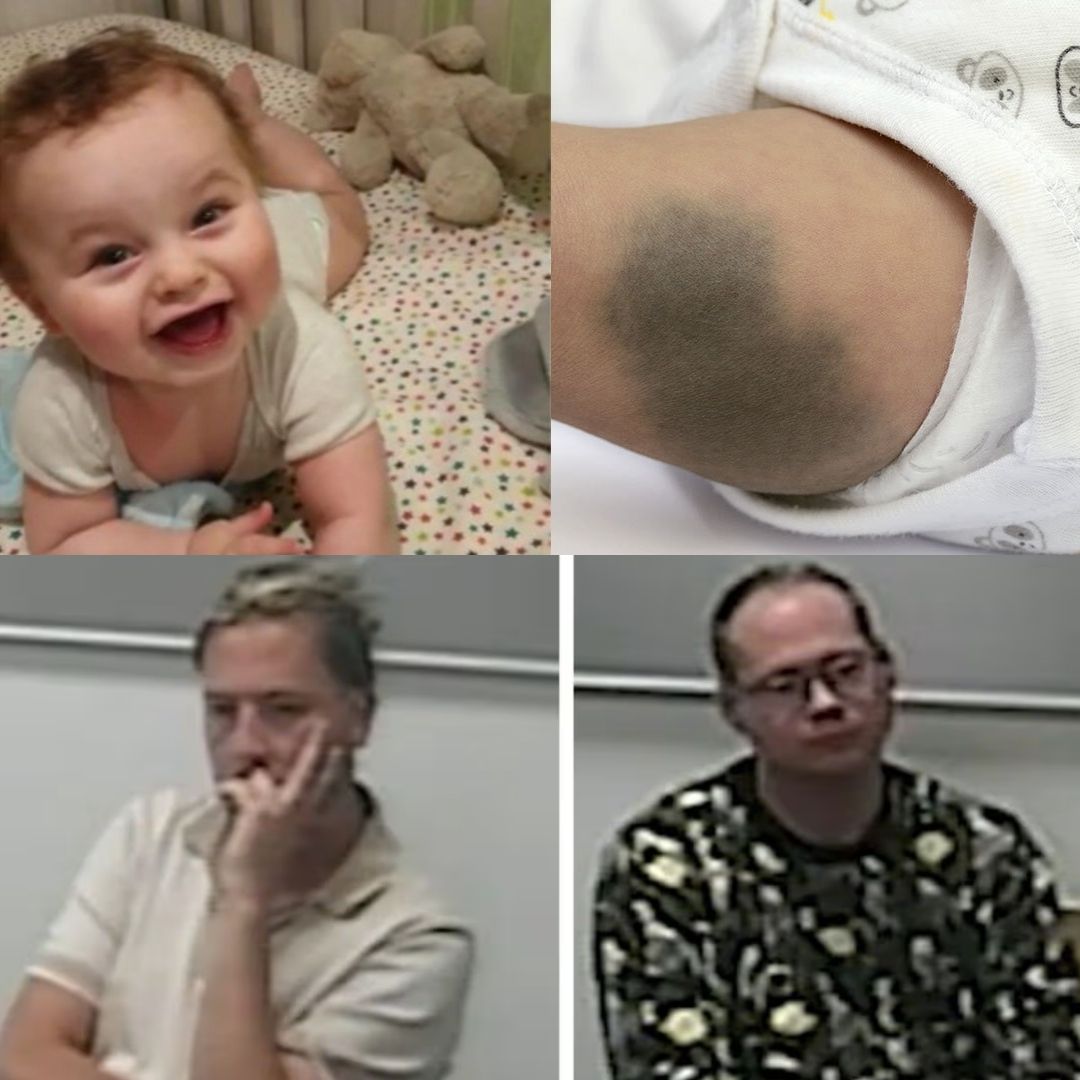
The murder trial surrounding the death of 13-month-old Preston Davey has been adjourned until Tuesday morning, leaving jurors to reflect over the weekend on what has emerged as one of the most significant points of agreement in the case.
According to expert testimony heard in court, both the prosecution and defense pathologists now agree on a crucial conclusion: Preston Davey did not drown.
The agreement, reached through evidence presented from both sides during the trial, has become a central issue as proceedings move toward their final stages. Jurors are expected to hear closing arguments next week before retiring to consider their verdicts.
The case has drawn intense public attention due to the nature of the allegations and the age of the child at the center of the proceedings.
Expert Evidence Aligns
Earlier in the trial, prosecution expert Dr. Alison Armour, a Home Office pathologist, told the court that she had ruled out drowning as the cause of death.
Dr. Armour concluded that Preston’s death resulted from deliberate upper airway obstruction, according to evidence presented before the jury.
On Friday, the defense’s own expert witness, Professor Jack Crane, a former state pathologist for Northern Ireland, was questioned under cross-examination regarding his findings.
Professor Crane agreed there was no medical evidence indicating that Preston drowned.
The testimony marked a rare point of consensus in a trial characterized by conflicting accounts and extensive forensic evidence.
For jurors, the significance of that agreement may prove substantial. Throughout criminal proceedings, expert witnesses frequently disagree on interpretations of evidence. In this instance, however, both specialists arrived at the same conclusion regarding the absence of evidence supporting drowning.
The court heard that any suggestion Preston drowned in a bath is based on accounts provided by the defendant rather than forensic findings.
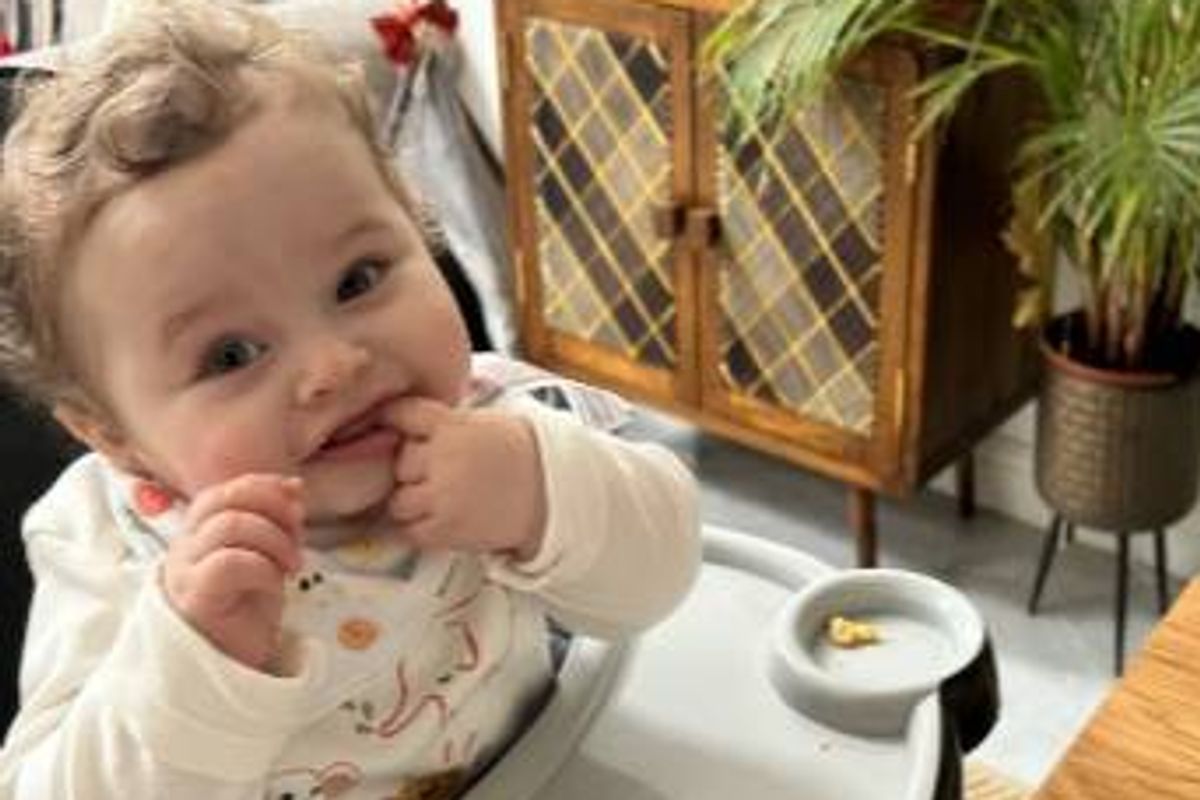
A Case Built on Forensic Analysis
The trial has examined numerous aspects of Preston’s final hours, with medical evidence occupying a central role.
Forensic experts have been called upon to explain complex medical findings and determine how the child died.
Their testimony has formed a critical component of the prosecution’s case, which seeks to establish the circumstances surrounding Preston’s death.
Defense lawyers, meanwhile, have challenged elements of the prosecution’s interpretation and called their own experts to provide alternative perspectives on various aspects of the evidence.
Yet despite those differences, the issue of drowning appears no longer to be a matter of dispute between the medical specialists who testified before the court.
That agreement has placed renewed attention on other evidence presented during the proceedings, including witness testimony, digital evidence, and statements made following the child’s death.
The Defendant’s Account
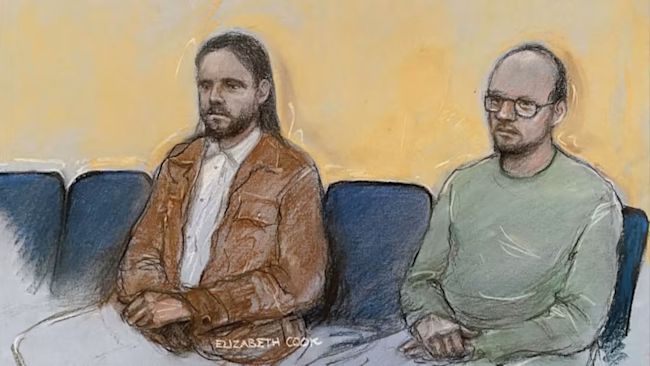
Jurors have heard evidence regarding accounts given by Jamie Varley, who faces multiple charges in connection with the case.
According to testimony presented during the trial, Varley initially described circumstances suggesting an accidental incident involving a bath.
However, prosecutors have challenged that account, arguing that the medical evidence does not support such a scenario.
The court has also heard evidence concerning statements allegedly made after Preston was taken to hospital.
As with all evidence presented during the trial, it remains the responsibility of the jury to determine what weight should be attached to those accounts and whether they support the prosecution’s allegations.
Varley denies the charges against him.
A co-defendant is also facing allegations connected to the case and likewise denies wrongdoing.
Emotional Testimony
The trial has included extensive evidence concerning the final months of Preston’s life.
Observers inside the courtroom have described portions of the proceedings as deeply distressing.
Jurors have spent weeks listening to expert testimony, reviewing exhibits, and hearing witness accounts as they attempt to piece together what happened to the 13-month-old child.
The emotional impact of the evidence has been evident throughout the proceedings.
Cases involving the death of young children often rank among the most difficult heard by criminal courts, requiring jurors to evaluate highly sensitive material while maintaining strict impartiality.
The judge has repeatedly reminded jurors that their verdict must be based solely on the evidence presented in court and the legal directions they receive.
Trial Nears Its Conclusion
With the trial now temporarily adjourned, attention turns to next week’s proceedings.
When court resumes on Tuesday morning, lawyers are expected to complete the remaining stages of evidence before delivering closing speeches.
Those final submissions will provide prosecutors and defense counsel with an opportunity to summarize their respective cases and highlight the evidence they believe supports their arguments.
Following those addresses, the judge will provide legal directions to the jury.
Jurors will then retire to deliberate in private.
Their task will be to examine all the evidence presented during the trial and determine whether the prosecution has proved its case beyond reasonable doubt.
A Child at the Center of the Case
Amid the forensic testimony, legal arguments, and courtroom procedures, the case remains focused on one child.
Preston Davey was just 13 months old when he died.
For weeks, jurors have heard detailed evidence concerning the circumstances surrounding his death.
Now, as the trial approaches its conclusion, one fact has emerged as a point of agreement between experts called by both sides: there is no medical evidence that Preston drowned.
Whether that conclusion ultimately influences the jury’s verdict remains to be seen.
The responsibility now rests with the twelve jurors who have followed every stage of the proceedings, listened to every witness, and examined every piece of evidence.
Their decision, expected after deliberations begin, will bring the trial into its final chapter.
Until then, the case stands adjourned.
And the name at the center of it all remains Preston Davey.