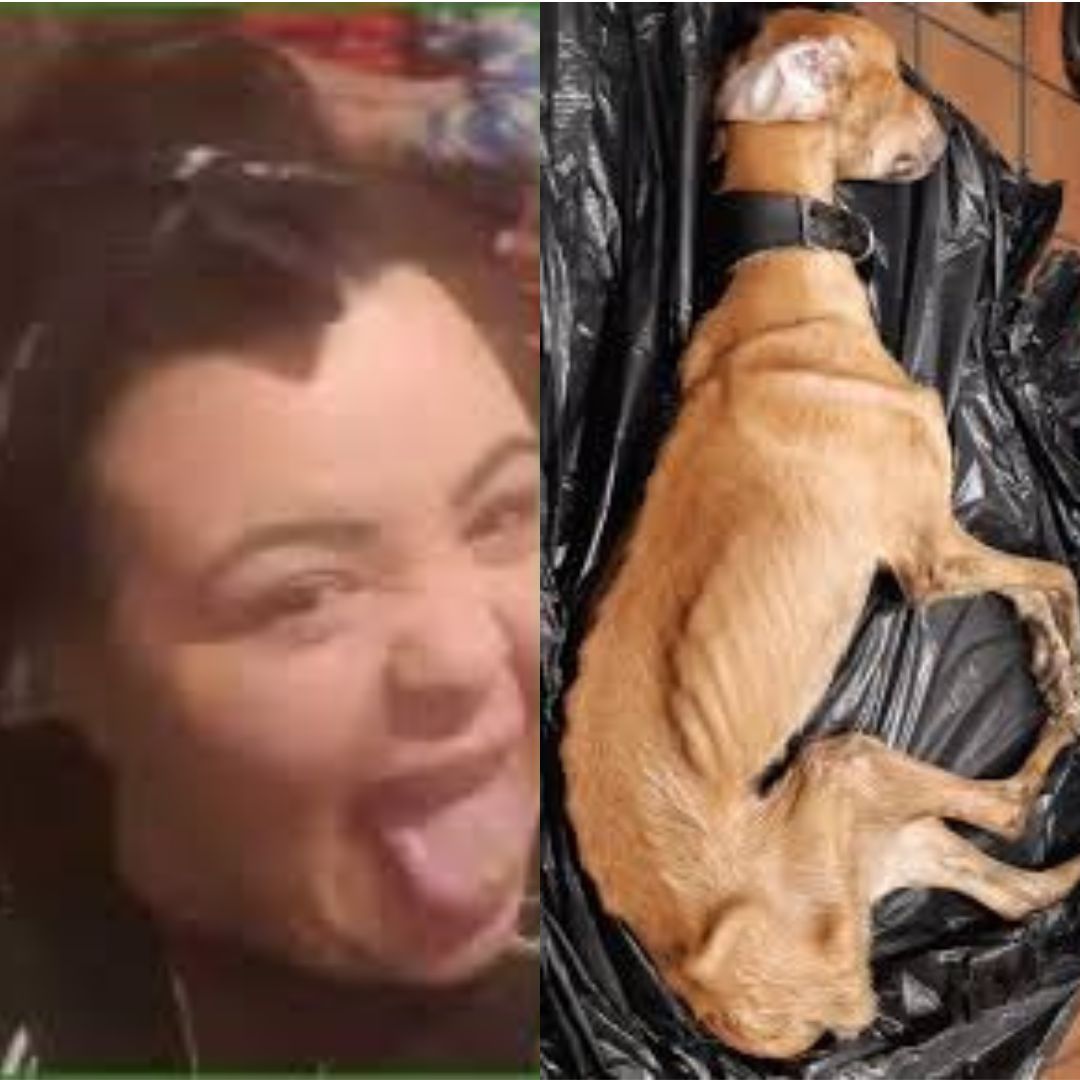
A Blackpool woman has avoided an immediate prison sentence after admitting responsibility for the neglect and suffering of her pet dog, which was found dead inside an abandoned flat in a case that has shocked animal lovers and renewed calls for tougher penalties for animal cruelty.
Natasha Ivy Jolly, 30, appeared before Blackpool Magistrates’ Court after pleading guilty to causing unnecessary suffering to a protected animal under the Animal Welfare Act 2006. The case has drawn widespread condemnation due to the disturbing circumstances surrounding the death of the dog, which experts say endured prolonged suffering before eventually starving to death.
According to evidence presented in court, Jolly moved out of her flat on Grasmere Road in Blackpool but left behind her female terrier-type dog. The animal remained trapped inside the property with no food, no care, and little chance of survival.
The tragic discovery was made after neighbors became concerned about a strong and unpleasant smell coming from the empty flat. Fearing that something was seriously wrong, one resident investigated further and alerted authorities after finding the dog deceased inside the property.
What investigators found inside the flat painted a horrifying picture.
The dog was discovered inside a small cupboard beneath a staircase. The cramped space reportedly contained old animal waste and offered no suitable environment for a living animal. There was no natural light, no comfortable bedding, and no evidence that the dog had been provided with proper care after being abandoned.
Animal welfare officers involved in the investigation described the scene as deeply distressing.
Veterinary experts later examined the dog’s remains and concluded that severe starvation was the cause of death. According to evidence presented to the court, there were no underlying medical conditions that could explain the animal’s extreme weight loss and deterioration.
Instead, experts determined that the dog had simply been left without adequate food and care for an extended period.
The post-mortem examination revealed evidence consistent with prolonged hunger and suffering. Specialists told the court that the animal had likely experienced significant physical distress as it struggled to survive in increasingly desperate conditions.
The findings left many people involved in the investigation emotionally affected.
Members of the Royal Society for the Prevention of Cruelty to Animals (RSPCA), which led the investigation, described the case as one of the more upsetting examples of neglect they had encountered. Witnesses who saw the conditions inside the flat also spoke of their shock at what had happened.
Animal welfare advocates say the case highlights the devastating consequences that can result when owners fail to meet even the most basic responsibilities toward animals in their care.
During sentencing, magistrates acknowledged the seriousness of the offence but stopped short of imposing an immediate custodial sentence.
Instead, Jolly received a 14-week prison sentence suspended for two years. This means she will avoid serving time in prison unless she commits further offences or breaches the conditions imposed by the court during the suspension period.
The court also ordered her to complete a 30-day rehabilitation activity requirement and pay legal costs associated with the proceedings.
Perhaps the most significant element of the sentence was the lifetime disqualification order imposed by the court.
Under the order, Jolly is permanently banned from owning animals, keeping animals, or participating in their care. The court heard that the ban cannot be challenged or appealed for at least ten years, effectively preventing her from having responsibility for animals for the foreseeable future.
Despite the sanctions imposed, the decision not to send Jolly directly to prison has sparked considerable public debate.
Many animal lovers expressed anger after learning that the dog had reportedly endured a slow death yet the offender would not immediately serve time behind bars.
Social media platforms quickly filled with comments from members of the public who argued that penalties for severe animal cruelty remain too lenient. Some questioned whether suspended sentences provide sufficient punishment in cases involving prolonged suffering and death.
Others called for lawmakers to review existing legislation and introduce harsher penalties for those found guilty of extreme neglect.
Animal welfare campaigners have long argued that deliberate abandonment and severe neglect should be treated more seriously by the criminal justice system.
Supporters of stronger penalties believe that tougher sentences would serve both as punishment and as a deterrent to others who might otherwise fail to care for animals responsibly.
At the same time, legal experts note that sentencing decisions must take into account a range of factors, including guilty pleas, previous criminal history, and the specific circumstances of each case.
Nevertheless, the emotional response generated by this case demonstrates the strong connection many people feel toward animals and their expectation that those responsible for their care should be held fully accountable when that duty is breached.
For many observers, the most heartbreaking aspect of the case remains the suffering endured by the dog itself.
Unable to escape, seek food, or attract help, the animal was left entirely dependent on an owner who failed to return. Experts believe the dog spent its final days struggling to survive under conditions that no animal should ever experience.
The case has once again placed animal welfare at the center of public discussion and reignited debate about whether existing punishments adequately reflect the seriousness of animal cruelty offences.
As public reaction continues, campaigners hope the tragedy will encourage greater awareness of responsible pet ownership and strengthen support for efforts to protect vulnerable animals from neglect and abuse.
For now, the case stands as a stark reminder of the devastating consequences that can occur when an animal is abandoned and forgotten — and of the difficult questions society continues to ask about justice when such suffering occurs.